

Looking for where to go hiking in the UAE? Beyond the cities and deserts, the United Arab Emirates has rugged mountains, dramatic canyons, colourful wadis, historic villages and coastal trails. From the steep mountains of Ras Al Khaimah to the varied valleys of Fujairah, there are hiking destinations for different fitness levels and interests.
The main UAE hiking season runs from October to April, with November to February generally offering the most comfortable conditions. May to September is normally the off-season for regular mountain hiking because of extreme heat.
This guide from Alpine Trekkers UAE explores hiking destinations across the seven emirates, including lesser-known mountain routes and areas close to emirate borders. It also explains how to choose a suitable hike and what to check before visiting.
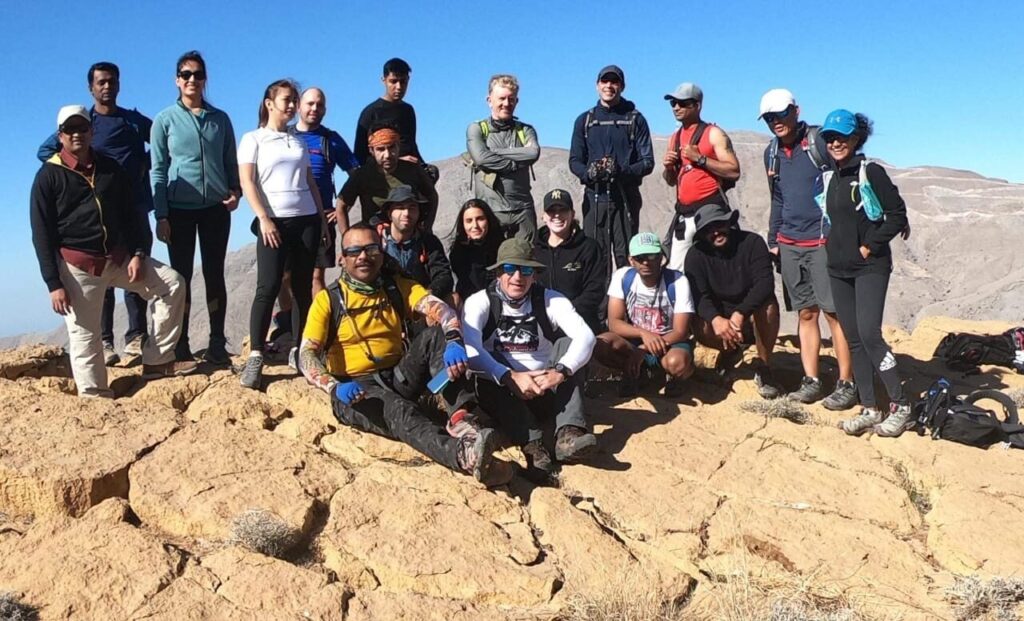
Where to Go Hiking in the UAE: Quick Guide by Emirate
| Emirate or region | Hiking destinations | Main attractions |
|---|---|---|
| Ras Al Khaimah | Jebel Jais, Wadi Naqab, Leopard Canyon, Wadi Ghalilah, Wadi Shawka, Hebs Village, Kebdah Canyon | Mountain climbs, canyons, scrambling and heritage villages |
| Fujairah | Rainbow Valley, Wadi Dahir, Wadi Abadillah, Al Hayl, Fujairah Adventure Park | Colourful rocks, wadis, valleys and varied routes |
| Sharjah | Al Rabi, Al Rafisah, Wadi Shees, Wadi Al Helo | Coastal mountain views, nature trails and historic landscapes |
| Dubai | Hatta, Hatta Sign Trail, Mushrif Park | Designated hiking trails and accessible nature walks |
| Ajman | Masfout | Mountain valleys and exploratory hiking |
| Abu Dhabi | Jebel Hafeet, Al Ain, Liwa | Mountain landscapes and desert walking |
| Umm Al Quwain | Coastal and natural areas | Nature walks rather than mountain hiking |
| Border-region hiking areas | Wadi Daftah, Wadi Kub | Rocky wadis and routes near emirate boundaries |
The difficulty of a hike depends on the specific route, not simply the name of the mountain or wadi. Some destinations offer several variations, from shorter introductory walks to demanding mountain ascents.
Hiking in Ras Al Khaimah
Ras Al Khaimah is one of the UAE’s most exciting mountain hiking destinations. Its rugged Hajar Mountain terrain includes steep ridges, deep wadis, remote settlements and adventurous routes that require varying levels of fitness and experience.
Jebel Jais
Jebel Jais is the UAE’s highest mountain and one of the country’s most recognised hiking destinations.
The surrounding mountain area offers impressive views and different hiking options. Some established routes are approachable for reasonably fit hikers, while longer routes involve more climbing and demanding terrain.
Best for: Mountain scenery, viewpoints and route options for different experience levels.
Wadi Naqab and Red Wall
Wadi Naqab & Red Wall Hike – Ras Al Khaimah
Explore Red Wall Canyon with Alpine Trekkers UAE, featuring dramatic cliffs, a scenic balcony trail and a fixed-cable-assisted passage.
Moderate (Level 3): Red Wall Canyon hike, approximately 3 hours.
Intermediate (Level 4): Red Wall Canyon with the optional Al Sanat Village extension, approximately 4–5 hours.
Distance: Approximately 6–12 km, depending on the route and access point.
Best Season: October–April.
This is a guided, self-drive hike. Shared 4WD access to the trailhead is coordinated among group members, subject to vehicle availability.
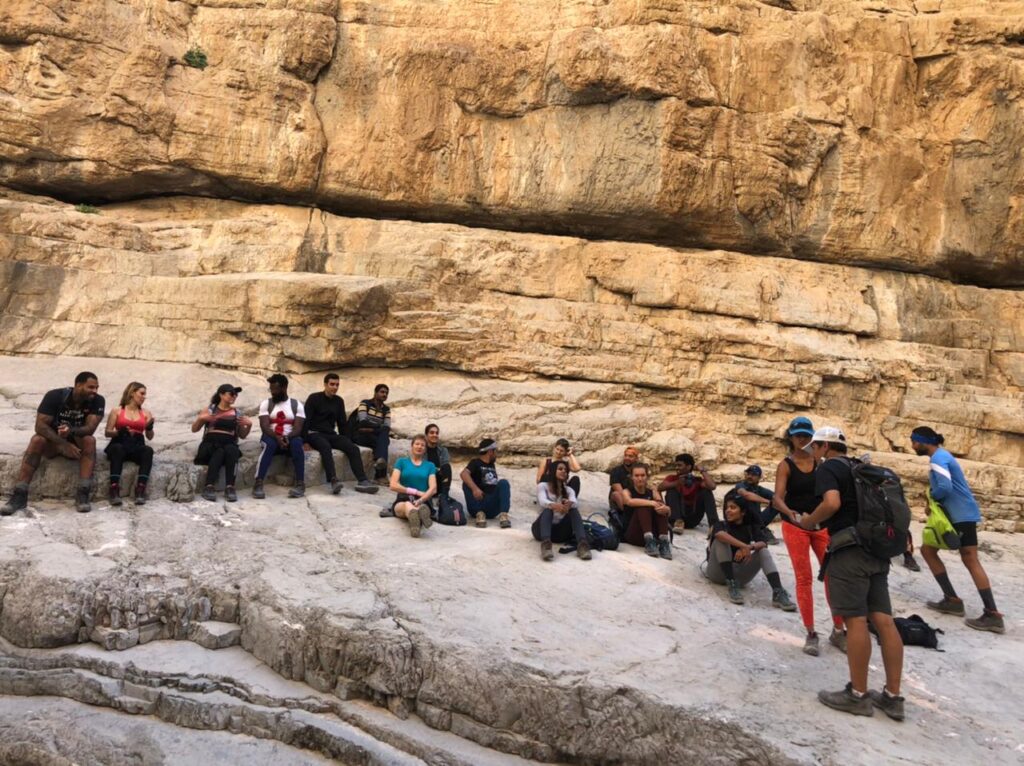
Leopard Canyon — Wadi Al Nimr
Leopard Canyon is a rewarding mountain hike with rocky valleys, steep climbs, old settlements and striking views.
Alpine Trekkers’ guided variation is approximately 7–9 km, with around 600–800 m of elevation gain, depending on the chosen route.
This is an intermediate hike requiring good fitness and confidence on uneven mountain terrain.
Best for: Hikers ready for a longer and more demanding mountain experience.
Kebdah Canyon
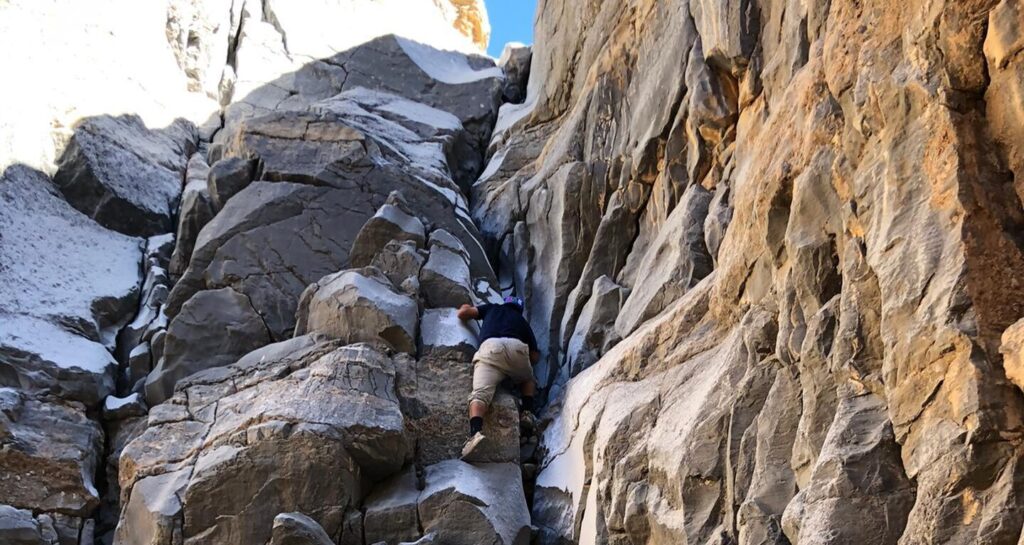
Kebdah Canyon is an adventurous hiking destination in Ras Al Khaimah, with rocky terrain, boulder sections and scrambling.
Alpine Trekkers’ route is approximately 5 km, with around 200 m of elevation gain, and is rated Level 2 — Beginner+.
The route is not consistently marked. Hikers need good balance, appropriate footwear and confidence moving across uneven rocks. Its relatively short distance does not mean it is an easy walk.
Best for: Active beginners progressing towards more adventurous mountain routes.
Wadi Ghalilah and Stairway to Heaven
Wadi Ghalilah is associated with some of the UAE’s most challenging mountain hiking routes, including variations of Stairway to Heaven.
These hikes can involve steep climbs, substantial elevation gain, exposed terrain and difficult navigation. Only highly experienced hikers should attempt certain variations.
Best for: Experienced hikers seeking demanding mountain challenges.
Wadi Shawka
Wadi Shawka offers rocky valleys, mountain viewpoints and a variety of walking routes.
Shorter routes may suit newer hikers, while longer circuits and steeper sections require additional fitness and experience. Pools and flowing water appear seasonally, so hikers should not expect to find water year-round.
Best for: Scenic mountain walks with route options of varying difficulty.
Hebs Village
Hebs Village offers a combination of mountain scenery and traditional settlement heritage.
Depending on the starting point and route, reaching the village may involve steep paths, sustained climbing and considerable elevation gain.
Best for: Fit hikers interested in mountain heritage and challenging ascents.
Other Hiking Areas in Ras Al Khaimah
Ras Al Khaimah also has routes around Hidden Oasis, Wadi Shah, Jebel Yabnah and Jebel Yanas.
These are distinct destinations with different access points and difficulty levels. Some require advanced navigation skills and significant mountain experience.
Always confirm the exact route rather than relying on a general destination name.
Hiking in Fujairah
Fujairah is one of the UAE’s most rewarding emirates for mountain hiking. Its varied landscapes include colourful rock formations, rocky wadis, mountain villages and valleys with different route options.
There are opportunities for beginners, developing hikers and experienced adventurers, although the difficulty can change considerably between routes in the same area.
Rainbow Valley — Wadi Ghub
Rainbow Valley is famous for its colourful rock formations and dramatic mountain scenery.
Different hiking variations are possible. Shorter routes offer a more accessible introduction to the landscape, while longer circuits may involve significant climbing and more demanding terrain.
Best for: Colourful geology, photography and hikers looking for distinctive mountain scenery.

Wadi Dahir — Sulphur Pools
Wadi Dahir is known for its rocky valley and natural mineral-water features.
Alpine Trekkers’ guided route is approximately 8 km, with around 250 m of elevation gain, and is rated Beginner+ to Moderate.
The hike involves uneven, rocky terrain. Pool conditions and water levels change, and swimming should not be assumed to be available or safe.
Best for: Hikers comfortable with rocky wadis and moderate outdoor activity.
Wadi Abadillah
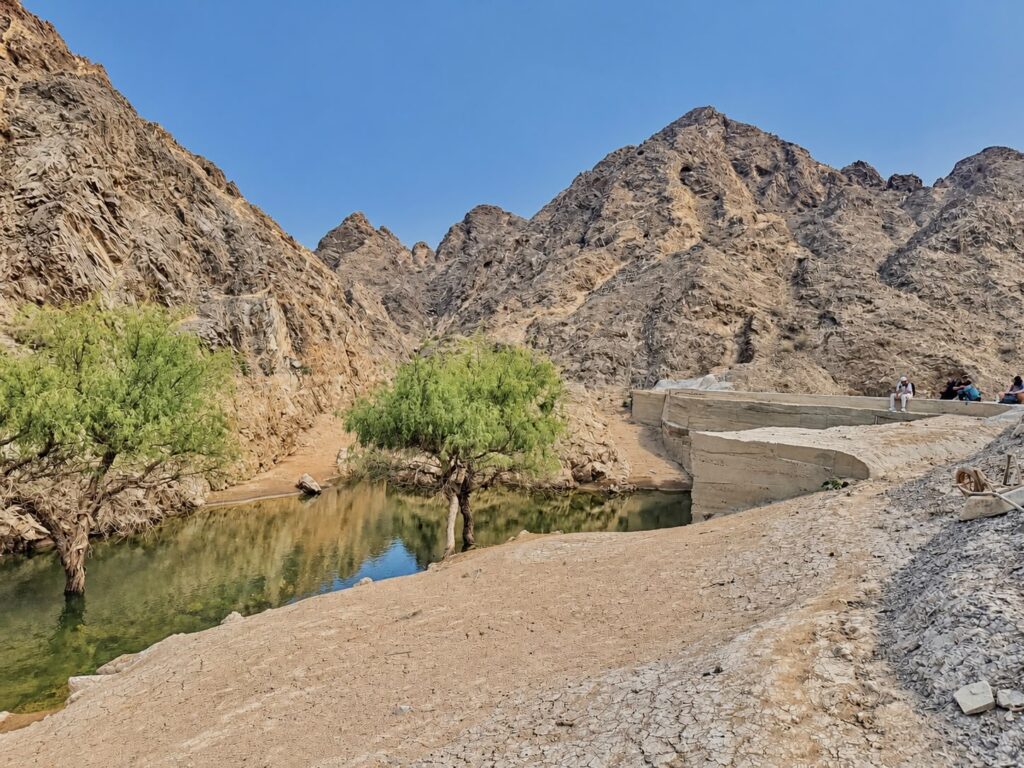
Wadi Abadillah offers mountain scenery, agricultural landscapes and a distinctive valley environment.
Some route variations involve approximately 7 km of walking, but distances and difficulty depend on the actual starting point and route.
The terrain may include rocky streambeds, uneven paths and seasonal water features.
Best for: Valley exploration, nature and developing hikers.
Al Hayl Region
The Al Hayl region combines mountain scenery, historic landscapes and varied hiking terrain.
Alpine Trekkers identifies two general route options in this area: one at Beginner level and another ranging from Beginner+ to Moderate.
The precise distance, elevation gain and route details should be confirmed for the chosen variation.
Best for: Beginners and developing hikers interested in mountain landscapes and local heritage.
Fujairah Adventure Park
Fujairah Adventure Park provides a more organised setting for outdoor activities, including designated hiking routes.
It is a useful destination for beginners who prefer marked trails and visitor facilities rather than remote, unmarked mountain terrain.
The park has different route options, so visitors should check its current trail map, difficulty classifications and opening arrangements before travelling.
Best for: Beginners and visitors looking for a structured outdoor experience.
Other Hiking Areas in Fujairah
Additional hiking areas include Wadi Tayyibah, Wadi Maidaq, Wadi Khabb, Al Tawyeen and Al Sharya.
These locations offer further opportunities to explore the emirate’s mountain landscapes, but route access, difficulty and navigation requirements vary.
Protected-area note: Wadi Wurayah is an important conservation area in Fujairah. It should not be promoted as an ordinary public hiking trail. Visitors must respect current access restrictions and conservation rules.
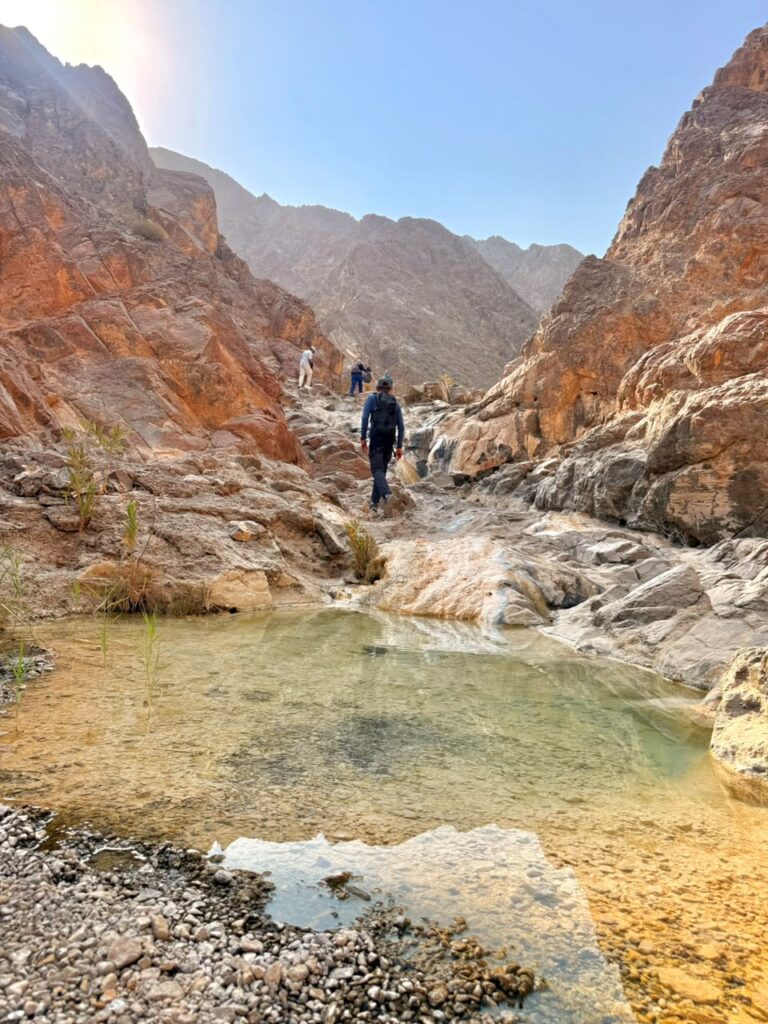

Hiking in Sharjah
Sharjah offers mountain hiking around Khor Fakkan and the eastern region, as well as gentler nature trails and historic landscapes.
Some of the emirate’s most attractive routes combine mountain scenery with coastal viewpoints.
Al Rabi Mountain Trail — Khor Fakkan
Al Rabi is one of the UAE’s best-known coastal mountain hikes. The route offers panoramic views over Khor Fakkan, the Gulf of Oman and the surrounding mountains.
Alpine Trekkers uses two route variations:
Al Rabi summit hike: Approximately 3–4 km, with around 200 m of elevation gain.
Al Rabi summit and beach-return variation: Approximately 5 km, with around 200 m of elevation gain, including a coastal return and a possible beach visit where access and conditions permit.
The second variation should only be used when the route is legally accessible and sea conditions are suitable. Swimming is optional and should never be treated as a guaranteed part of the hike.
Best for: Coastal views, shorter mountain hikes and developing hikers.
Al Rafisah Hiking Area
Al Rafisah offers mountain scenery and views around the reservoir near Khor Fakkan.
Visitors can explore appropriate walking routes in the surrounding landscape. Longer uphill routes may require more stamina than short walks around the visitor area.
Best for: Mountain scenery, viewpoints and combining a walk with a visit to Al Rafisah.
Wadi Shees Nature Trail
Wadi Shees offers a gentler walking experience through a traditional valley landscape with agricultural scenery and historic irrigation features.
Its established nature trail is approximately 1.8 km, making it a useful option for families and visitors who want a shorter nature walk rather than a strenuous mountain hike.
Best for: Beginners, families, nature and local heritage.
Wadi Al Helo
Wadi Al Helo is known for its mountain setting and historical significance.
Walking opportunities in the area should be planned around verified routes and current access arrangements, particularly where heritage or protected sites are involved.
Best for: Visitors interested in the combination of mountain landscapes and cultural heritage.
Other Sharjah Hiking Areas
The eastern region around Khor Fakkan and Kalba has additional mountain routes. Some locally known routes are associated with Jebel Qitab, although the exact trailhead, route name and difficulty should be verified before planning a hike.
Access note: Fossil Rock is not included as a recommended public hiking trail in this guide because of the current public-access restrictions reported for the area. Do not enter restricted locations without official authorisation.
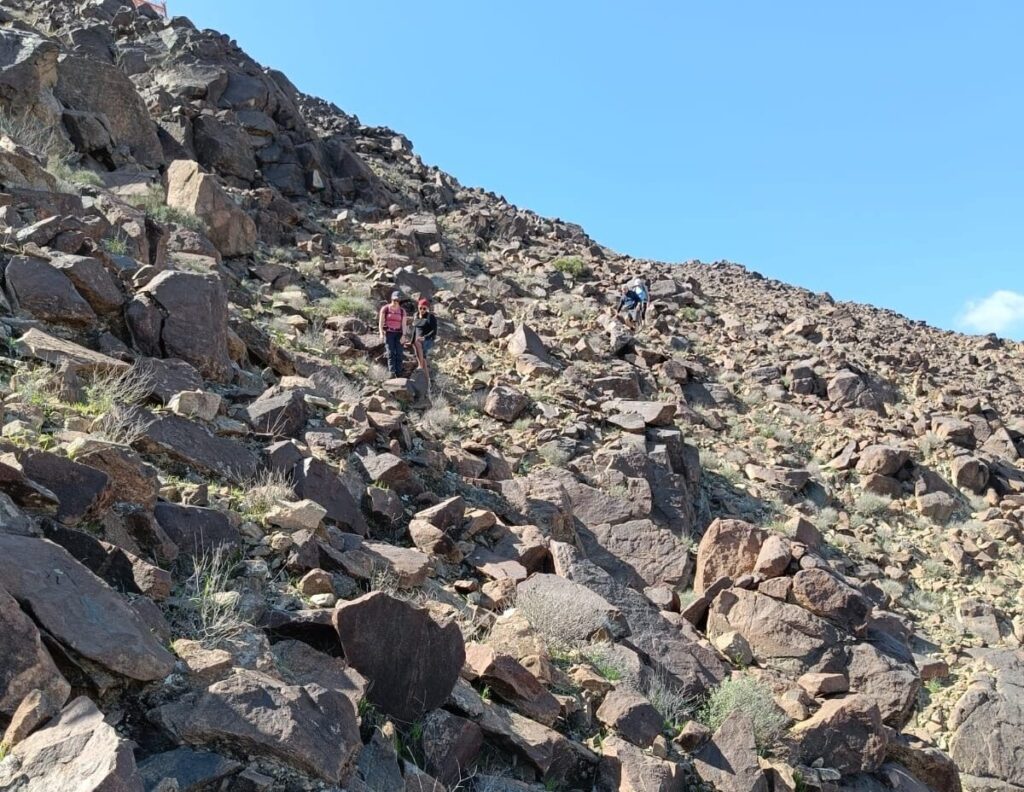
Hiking in Dubai
Dubai’s main mountain hiking destination is Hatta, which offers established trails through rugged scenery.
Hatta Mountain Trails
Hatta has a network of designated hiking routes with varying distances, elevations and difficulty levels.
Visitors should select a route appropriate to their experience and check the current trail map before setting out.
Best for: Marked mountain hiking routes and day trips from Dubai.
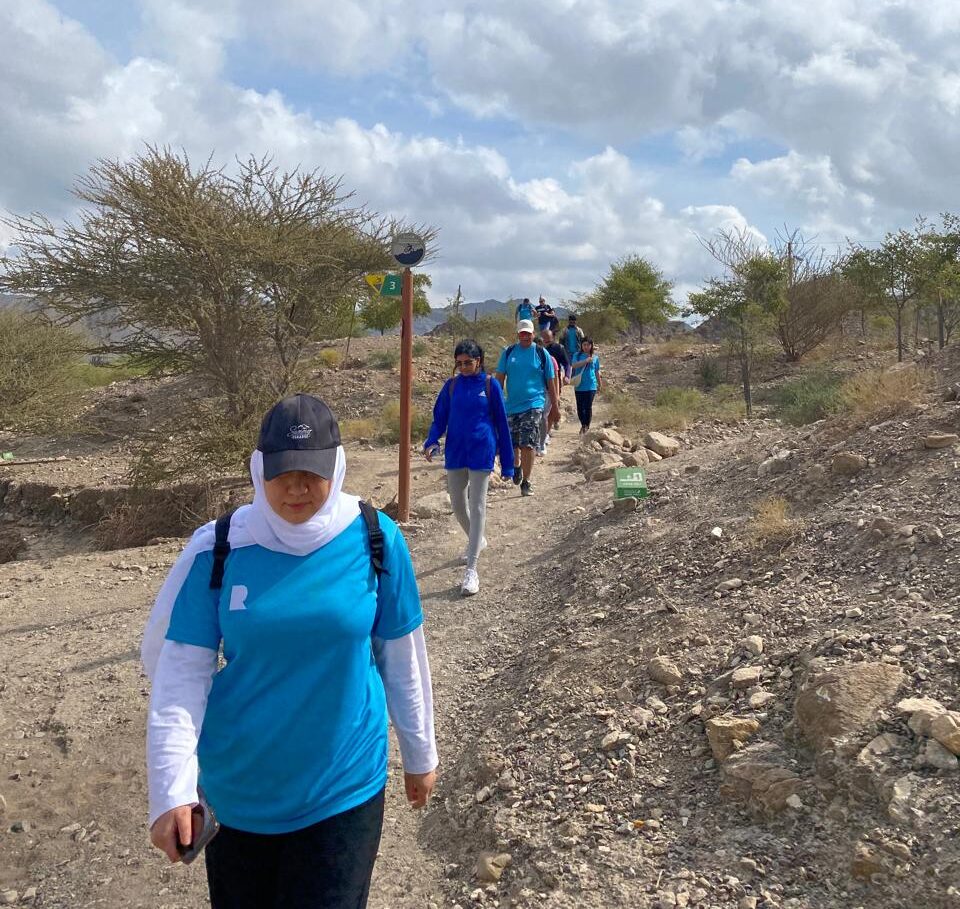
Hatta Sign Trail
The Hatta Sign Trail leads towards an elevated viewpoint overlooking the surrounding mountain landscape.
It involves uphill walking and should not be confused with a flat, easy nature trail.
Best for: Scenic views and hikers comfortable with climbing.
Mushrif Park
Mushrif Park offers a different kind of hiking experience, with accessible nature trails within Dubai.
It is a useful place for beginners to develop walking fitness before trying rocky mountain routes.
Best for: Shorter nature walks and introductory outdoor activity.
For official information about Hatta’s hiking routes and trail difficulty, consult the Dubai Municipality Hatta mountain trails guide before visiting.
Visitors based in Dubai can also explore hiking destinations in Ras Al Khaimah, Fujairah, Sharjah and Ajman. However, those destinations belong to their respective emirates and should not be described as Dubai trails.
Hiking in Ajman — Masfout
Ajman is often overlooked in UAE hiking guides, but the Masfout region offers mountain scenery and opportunities for outdoor exploration.
Situated in the Hajar Mountain region, Masfout has rugged valleys and landscapes that differ significantly from Ajman’s coastal urban areas.
Hiking difficulty depends on the particular route. Visitors should confirm the trailhead, distance, elevation gain and access arrangements before travelling.
Best for: Exploring a lesser-known mountain region and discovering hiking opportunities beyond the most familiar UAE destinations.
Hiking in Abu Dhabi
Abu Dhabi offers outdoor landscapes that differ from the northern Hajar Mountains. Around Al Ain, visitors can experience mountain scenery, while other parts of the emirate are better known for desert exploration.
Jebel Hafeet — Al Ain
Jebel Hafeet is a prominent mountain landmark near Al Ain, offering dramatic views over the surrounding landscape.
Visitors should distinguish between reaching viewpoints by road and following an actual pedestrian hiking route.
Only use verified walking routes and avoid treating mountain roads or steep slopes as automatically suitable for hiking.
Best for: Mountain scenery and carefully planned outdoor walks.
Liwa and Desert Walking
The Liwa region offers impressive dunes and desert landscapes rather than conventional mountain trails.
Desert walking involves different challenges, including soft sand, navigation, limited shade and remote terrain.
These experiences require careful planning and should not be presented as interchangeable with beginner mountain hiking.
Hiking in Umm Al Quwain
Umm Al Quwain is better known for its coastal landscapes, wetlands and nature areas than for established mountain hiking routes.
Visitors can enjoy appropriate nature walks and coastal exploration. Those seeking rugged mountain terrain will generally find more options in neighbouring emirates.
Hiking Trails Along UAE Emirate Borders
Not every UAE hiking destination fits neatly into one emirate.
Some mountain areas are close to administrative boundaries, and a route may be described differently depending on its trailhead, access road or the section being explored.
For these destinations, the exact starting point and route map are more useful than a broad emirate label.
Wadi Daftah
Wadi Daftah is a rugged hiking area in the mountain region associated with the Sharjah–Fujairah side of the Hajar Mountains.
Alpine Trekkers’ guided variation is approximately 7 km, with around 200 m of elevation gain, and is rated Moderate.
The route includes rocky terrain, boulder sections and cable-assisted sections on the variation offered by Alpine Trekkers.
Best for: Hikers comfortable with uneven terrain and more adventurous wadi routes.
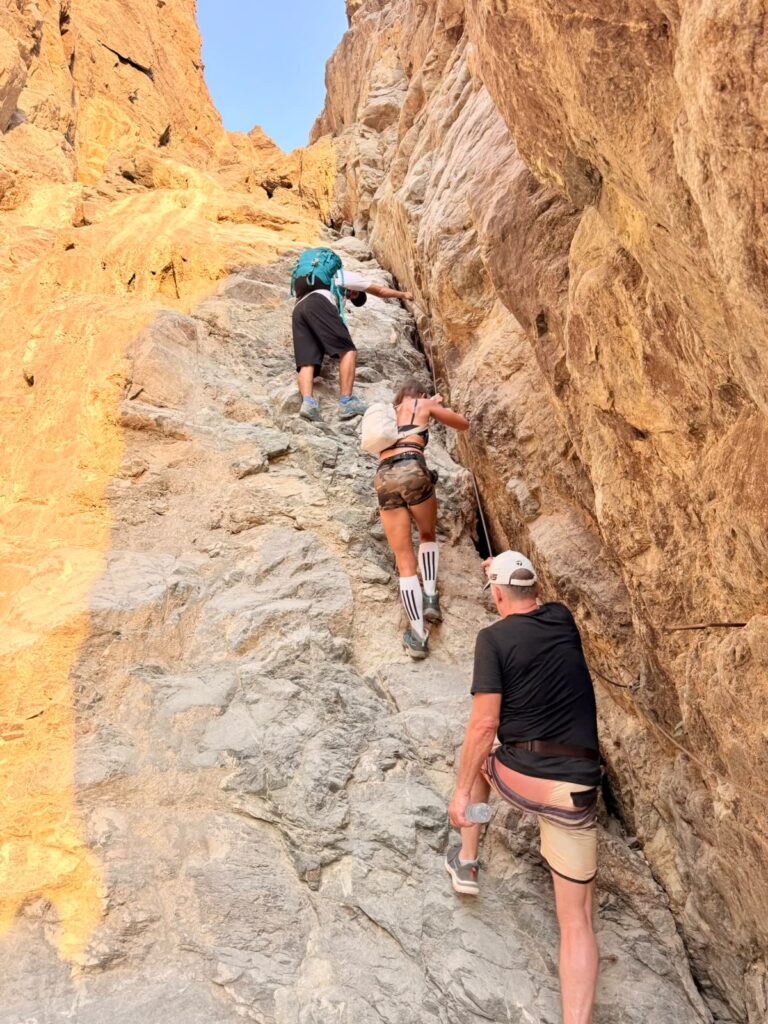
Wadi Kub — Wadi Koob
Wadi Kub, also written Wadi Koob, is associated with the mountain region between Ras Al Khaimah and Fujairah.
Alpine Trekkers’ guided variation is approximately 5 km, with around 200 m of elevation gain.
The route includes rocky walking and boulder sections. It may suit active beginners who are comfortable moving over uneven terrain, depending on the precise variation and conditions.
Best for: Beginner+ hikers seeking a shorter rocky mountain adventure.
Because route names and emirate descriptions can differ between sources, always confirm the actual meeting point and trailhead.

Which UAE Hiking Destination Is Right for You?
Choosing the right hike is more important than choosing the most famous destination.
New to hiking? Consider Wadi Shees Nature Trail, suitable marked routes at Hatta, beginner options at Fujairah Adventure Park or the introductory Al Hayl variation.
Active beginners and Beginner+ hikers can explore selected Al Rabi routes, Wadi Kub, Kebdah Canyon and shorter Rainbow Valley variations, depending on their comfort with rocky terrain and scrambling.
Intermediate hikers may enjoy Leopard Canyon, Wadi Dahir, Wadi Daftah and more demanding Rainbow Valley or Wadi Naqab variations. These routes offer additional challenges.
Experienced hikers seeking a challenge can consider demanding routes around Wadi Ghalilah, Stairway to Heaven and certain high mountain trails. These require strong fitness, navigation skills and experience on steep or exposed terrain.
These examples are general guidance. Always assess the exact trail, because two routes in the same wadi can have very different difficulty levels.
Best Time to Go Hiking in the UAE
The main mountain hiking season in the UAE is generally October to April.
November to February usually offers the most comfortable hiking weather.
October, March and April can still be warm, especially on exposed trails. Start times and route choices should reflect the actual forecast.
May to September is generally the off-season for regular mountain hiking because of extreme heat and the risk of heat-related illness.
Rain is another important consideration. Flash floods can occur in wadis, including when heavy rain falls farther upstream.
Before heading into the mountains, check the latest weather forecasts and alerts from the UAE’s National Center of Meteorology
Essential Hiking Safety Tips in the UAE
Before setting out:
- Choose a route appropriate to your fitness and experience.
- Check the distance, elevation gain, terrain and expected hiking time.
- Carry enough drinking water and food for the conditions.
- Wear footwear with reliable grip on rocky surfaces.
- Check the weather and flash-flood warnings.
- Use a reliable route map, with offline navigation where appropriate.
- Confirm current trail access and any required permissions.
- Tell someone your planned route and expected return time.
- Carry a charged phone, power bank and basic first-aid supplies.
- Avoid unfamiliar scrambling, exposed sections and fixed-rope terrain without the necessary experience.
Remember that a short unmarked canyon hike can be harder than a longer marked trail. Distance alone does not determine difficulty.
Explore Guided Hiking Trips with Alpine Trekkers UAE
Alpine Trekkers organises hiking adventures across the UAE, from introductory mountain walks to more demanding canyon and summit routes.
Explore our UAE hiking trips to discover available guided adventures.
Want to compare specific routes before choosing your next adventure? Explore our Best Hiking Trails in the UAE guide for trail distances, difficulty levels and route highlights.
Frequently Asked Questions About Hiking in the UAE
Where is the best place to go hiking in the UAE?
Ras Al Khaimah and Fujairah offer some of the country’s most varied mountain hiking experiences. Sharjah is popular for coastal mountain views, while Hatta is a leading hiking destination within Dubai.
Where can beginners hike in the UAE?
Beginners can consider Wadi Shees Nature Trail, appropriate marked routes in Hatta, beginner options at Fujairah Adventure Park and suitable introductory mountain routes. Always check the actual difficulty and terrain before booking.
Which emirate has the most hiking trails?
Ras Al Khaimah and Fujairah both have extensive mountain hiking opportunities. There is no single reliable count of all hiking trails because many routes are unmarked, have multiple variations or are not formally maintained.
Is Fujairah good for hiking?
Yes. Fujairah offers colourful valleys, rocky wadis and varied mountain routes, including Rainbow Valley, Wadi Dahir, Wadi Abadillah and the Al Hayl region.
Can you hike in Ajman?
Yes. Masfout offers mountain landscapes and hiking opportunities. Visitors should research a specific route and confirm access before visiting.
When is hiking season in the UAE?
The main hiking season generally runs from October to April. November to February usually provides the most comfortable weather. We generally advise against regular mountain hiking from May to September because of extreme heat.
Are all hiking trails in the UAE marked?
No. Some destinations have established, marked trails, while many mountain routes pass through unmarked wadis, rocky slopes and remote terrain. Navigation skills and local knowledge are especially important on unfamiliar routes.
Do I need a hiking guide in the UAE?
A guide is not necessary for every established trail. However, an experienced guide can be valuable for remote wadis, unmarked routes, scrambling sections and demanding mountain hikes.
Discover Your Next UAE Hiking Adventure
The UAE has far more hiking variety than many visitors expect. Ras Al Khaimah offers dramatic mountain challenges, Fujairah has colourful wadis and varied valleys, Sharjah combines coastal views with mountain trails, and Hatta provides designated hiking routes.
Beyond these familiar areas, Masfout and the mountain regions near emirate boundaries offer further opportunities to explore.
The best hiking experience starts with choosing a suitable route, checking current conditions and planning your adventure during the cooler months.
Explore the UAE’s mountains responsibly with Alpine Trekkers and discover your next hiking adventure.
Wondering where to go hiking in the UAE? From the rugged mountains of Ras Al Khaimah and the scenic wadis of Fujairah to Hatta’s mountain trails and hiking routes in Sharjah, the UAE offers a wide range of outdoor adventures. Whether you’re a beginner looking for an accessible trail or an experienced hiker seeking a challenging mountain route, this guide will help you discover where to hike in the UAE, what to expect, and how to choose the right trail.
Best time for hiking in the UAE: The main hiking season runs from October to April, with November to February offering the most comfortable conditions. May to September is generally the off-season for mountain hiking because of extreme heat. Always check weather conditions, trail access, and route difficulty before heading out.
1 Comment
[…] Where to Go Hiking in the UAE […]