
Introduction
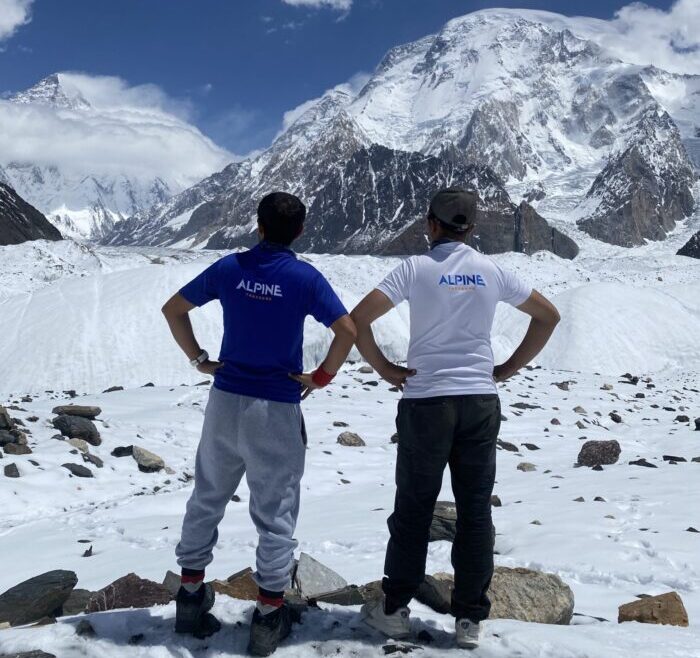
The K2 Base Camp Trek in Pakistan is one of the world’s most remarkable high-altitude trekking adventures. The journey follows the Baltoro Glacier through the Karakoram mountains, passing dramatic granite towers, remote expedition camps and the famous Concordia junction before reaching the base camp of K2, the world’s second-highest mountain.
Unlike the more technical K2 Base Camp and Gondogoro La Trek, the standard K2 Base Camp route generally returns along the Baltoro Glacier rather than crossing the high mountain pass. It is still a demanding expedition, requiring strong physical fitness, proper acclimatization and preparation for remote mountain conditions.
This guide draws on the firsthand experience of Siddiq Fegum, founder of World Adventure Tours in Pakistan and Alpine Trekkers UAE. Siddiq began working on K2 expeditions as a porter in 2006, became a mountain guide in 2012 and established World Adventure Tours in 2018. His experience helps shape the practical advice in this guide, covering the route, itinerary, trekking difficulty, costs, preparation and what to expect along the way.
The K2 Base Camp Trek overview
The standard K2 Base Camp Trek usually begins with travel from Islamabad to Skardu, followed by a journey by road towards Askole, the traditional starting point for the Baltoro Glacier trek. From there, trekkers pass remote camps and dramatic Karakoram peaks on their way to Concordia and K2 Base Camp.
This is a remote, multi-day camping expedition rather than a conventional mountain hike. Trekkers should expect long walking days, rocky glacier terrain, basic camping facilities, unpredictable weather and significant altitude. The standard itinerary normally retraces the Baltoro route on the return journey, without crossing Gondogoro La.
The exact itinerary, number of trekking days and access arrangements depend on weather, road conditions and the expedition plan. The sections below explain what the journey involves and how to prepare for it.
K2 Base Camp Trek at a Glance
- Destination: K2 Base Camp, Karakoram Mountains, Gilgit-Baltistan, Pakistan
- K2 elevation: 8,611 metres — the world’s second-highest mountain
- K2 Base Camp elevation: Approximately 5,150 metres
- Trek starting point: Askole, reached by road from Skardu
- Main trekking route: Askole – Jhola – Paiju – Urdukas – Goro II – Concordia – K2 Base Camp
- Return route: Generally retraces the Baltoro Glacier route via Concordia and Askole
- Difficulty: Challenging high-altitude trek requiring good fitness and preparation
- Terrain: Rocky trails, glacial moraine, uneven surfaces and possible snow or ice
- Accommodation: Expedition camping in tents during the trek
- Best trekking season: Generally June to September, depending on weather and route conditions
- Main highlights: Baltoro Glacier, Trango Towers, Concordia, Broad Peak and views of K2
- Gondogoro La crossing: Not included in the standard out-and-back K2 Base Camp itinerary
K2 Base Camp Trek Route: From Askole to Concordia and K2
K2 Base Camp Trek Route: From Askole to Concordia and K2
The standard K2 Base Camp Trek begins with travel to Skardu in Gilgit-Baltistan, followed by a road journey to Askole, the traditional starting point for expeditions into the Baltoro region.
From Askole, the trekking route generally passes through Jhola and Paiju before continuing towards Urdukas and Goro II. Along the way, trekkers encounter rugged glacial moraine, dramatic rock formations and views of some of the Karakoram’s most famous mountains.
The route then reaches Concordia, a remarkable meeting point of glaciers surrounded by towering peaks. From Concordia, trekkers continue towards Broad Peak Base Camp and K2 Base Camp, depending on the expedition itinerary and prevailing conditions.
The standard trek returns along the Baltoro Glacier towards Askole. It does not cross Gondogoro La, which is a separate, more technical route requiring additional preparation and suitable mountain conditions.
Because the trek takes place in remote high-altitude terrain, daily walking distances, camping locations and the overall schedule may change according to weather, glacier conditions and the needs of the group.
How Difficult Is the K2 Base Camp Trek?
The K2 Base Camp Trek is a challenging, high-altitude expedition best suited to trekkers with good endurance, suitable preparation and preferably previous multi-day hiking experience. Although the standard route does not normally require technical mountaineering skills, it involves remote terrain, long walking days and camping at high elevations.
The trail includes rocky paths, uneven glacial moraine, stream crossings and potentially snow or ice, depending on conditions. Walking on the Baltoro Glacier can be physically demanding, and the distance from roads and medical facilities adds to the seriousness of the journey.
How fit do you need to be? You should be comfortable hiking for several hours on consecutive days while carrying a daypack. Regular uphill walking, cardiovascular training and strength exercises can help prepare your legs, balance and endurance. Beginning a structured training programme several months before departure is advisable.
Do you need previous trekking experience? Prior experience on multi-day mountain treks is strongly recommended. First-time high-altitude trekkers should discuss their fitness, experience and preparation with the expedition operator before booking.
What about altitude? K2 Base Camp is approximately 5,150 metres above sea level, where reduced oxygen availability can affect even very fit people. A carefully planned itinerary with appropriate acclimatization, symptom monitoring and the flexibility to descend when necessary is essential.
On supported expeditions, porters generally carry the main camping equipment and group supplies, while trekkers carry their personal daypacks. The exact baggage arrangements should be confirmed with the operator before departure.
Altitude Sickness and Acclimatization on the K2 Base Camp Trek
K2 Base Camp is approximately 5,150 metres above sea level, where the reduced availability of oxygen makes altitude sickness an important concern. Even experienced and physically fit trekkers can develop altitude-related illness. Good fitness helps with the physical demands of the trek, but it does not prevent altitude sickness.
What Are the Symptoms of Altitude Sickness?
Acute mountain sickness (AMS) commonly causes headache, nausea, dizziness, unusual fatigue and loss of appetite after gaining altitude. Symptoms should never be ignored or hidden from the expedition leader. More serious warning signs include difficulty walking normally, confusion, breathlessness at rest or a persistent cough accompanied by worsening breathing difficulties. These may indicate a life-threatening altitude illness requiring urgent action.
How Can Trekkers Reduce the Risk?
A well-planned K2 Base Camp itinerary should allow time for gradual acclimatization and appropriate rest. Trekkers should avoid ascending to a higher sleeping altitude when experiencing symptoms of altitude sickness, and should communicate any changes in their health promptly to their guide.
Staying hydrated, eating regularly and maintaining a manageable walking pace support general wellbeing, but they do not guarantee protection from altitude illness. Trekkers should discuss altitude-related risks, relevant medical conditions and whether preventive medication is appropriate with a qualified healthcare professional before departure.
What Happens if Altitude Sickness Develops?
If symptoms develop, further ascent should stop until the situation has been assessed. Worsening symptoms or signs of serious altitude illness require prompt descent and medical attention. Oxygen and medication may be useful when available, but they should not delay descent or evacuation when needed.
Because the Baltoro Glacier and K2 Base Camp are remote, trekkers should choose an experienced expedition team with an appropriate emergency communication and evacuation plan. Weather and terrain can make rescue difficult, so early recognition of symptoms and timely decisions are essential.
Best Time for the K2 Base Camp Trek and Travel to Skardu
The main trekking season for K2 Base Camp is generally June to September, with July and August commonly offering the most suitable seasonal window for organized expeditions. However, conditions in the Karakoram are unpredictable, and snow, rain, strong winds or glacier conditions can affect the route even during summer.
Flights from Islamabad to Skardu
Many K2 trekking itineraries begin with a flight from Islamabad to Skardu. This is a scenic mountain flight, but schedules depend heavily on weather and visibility. Flights may be delayed or cancelled, so travellers should allow flexibility in their plans.
What Happens if the Skardu Flight Is Cancelled?
If flights are unavailable, travelling to Skardu by road may be necessary, depending on road conditions and the expedition schedule. The journey is long and may require an overnight stop. Travel times vary considerably with weather, traffic, road closures and the route used.
A well-planned K2 Base Camp itinerary should include contingency arrangements for transport delays and changing mountain conditions. Trekkers should avoid booking tightly scheduled onward international connections immediately after their expected return from the mountains.
Planning Your Trekking Dates
For the best chance of completing the planned route, choose departure dates with sufficient time for acclimatization, weather delays and the return journey. Your trekking operator should explain the itinerary’s contingency days and how changes to transport or mountain conditions are handled.
K2 Base Camp Trek Itinerary
The following sample 21-day K2 Base Camp trek itinerary covers the journey from Islamabad to Skardu, the trek along the Baltoro Glacier to Concordia and K2 Base Camp, and the return to Islamabad. The schedule may vary depending on weather, acclimatization and trail conditions.
| Day | Route / overnight location | Main activity |
|---|---|---|
| 1 | Islamabad | Arrival, briefing and equipment check |
| 2 | Islamabad → Skardu | Fly to Skardu, weather permitting |
| 3 | Skardu | Permits, supplies and expedition preparations |
| 4 | Skardu → Askole | Drive towards the trekking trailhead |
| 5 | Askole → Jhola | Begin trekking towards the Baltoro Glacier |
| 6 | Jhola → Paiyu | Trek to Paiyu camp |
| 7 | Paiyu | Rest and acclimatization day |
| 8 | Paiyu → Khoburtse | Trek onto the Baltoro Glacier |
| 9 | Khoburtse → Urdukas | Continue through glacial terrain |
| 10 | Urdukas → Goro II | Trek towards Concordia |
| 11 | Goro II → Concordia | Reach Concordia, surrounded by major Karakoram peaks |
| 12 | Concordia → K2 Base Camp → Concordia | Visit K2 Base Camp, subject to conditions and fitness |
| 13 | Concordia | Contingency, acclimatization or rest day |
| 14 | Concordia → Goro II | Begin return trek along the Baltoro |
| 15 | Goro II → Urdukas | Continue descending |
| 16 | Urdukas → Paiyu | Trek towards Paiyu |
| 17 | Paiyu → Jhola | Continue return journey |
| 18 | Jhola → Askole | Complete the walking route |
| 19 | Askole → Skardu | Drive back to Skardu |
| 20 | Skardu → Islamabad | Return flight, subject to weather |
| 21 | Islamabad | International departure or contingency time |
Important itinerary note: This 21-day K2 Base Camp trek itinerary is a sample schedule for the standard Baltoro Glacier route, returning by the same general approach rather than crossing Gondogoro La. Daily stages, camps and acclimatization arrangements may change depending on weather, trail conditions, group fitness and the expedition leader’s assessment. Flights between Islamabad and Skardu are weather-dependent, so additional road travel or contingency days may be required. The final itinerary should always be confirmed with the expedition team before booking.
Balti Culture and Local Communities on the K2 Base Camp Trek
The K2 Base Camp trek is not only a journey through the Karakoram’s spectacular mountain landscapes. It is also an opportunity to learn about the people of Baltistan, whose knowledge, hospitality and connection to the mountains are an important part of the trekking experience.
The Balti people have a rich cultural heritage, with their own language, traditions and mountain communities. As trekkers travel through Skardu and villages along the approach to the Baltoro Glacier, they may encounter aspects of everyday Balti life, local food and traditional hospitality. The exact opportunities for cultural interaction depend on the itinerary and available time.
Local guides, porters, cooks and expedition support teams play an essential role in K2 Base Camp treks. Their experience with the terrain, weather, logistics and remote mountain environment contributes significantly to the expedition. Respecting local customs, asking permission before photographing people and treating support staff fairly are important parts of responsible trekking.
For Alpine Trekkers UAE and World Adventure Tours, working with experienced local mountain professionals is central to how our K2 expeditions are organized. We encourage trekkers to approach the journey with curiosity and respect for the communities that make travel in this remarkable region possible.
K2 Base Camp Trek FAQs
Here are some frequently asked questions about the K2 Base Camp Trek:
1. How high is K2 Base Camp?
K2 Base Camp is commonly listed at approximately 5,150 metres (16,896 feet) above sea level. The trek also passes through Concordia, at approximately 4,600 metres, where trekkers enjoy remarkable views of K2, Broad Peak and other Karakoram mountains. The exact elevations reported for camps and landmarks may vary between maps and trekking itineraries.
2. How many days does the K2 Base Camp Trek take?
Our standard K2 Base Camp expedition usually takes 20–21 days, including travel between Islamabad and Skardu, trekking through the Baltoro region, acclimatization, the return journey and contingency time. The exact schedule may change because of weather, road conditions, flight delays and the group’s progress.
3. How do you travel from Islamabad to Skardu?
The usual option is a domestic flight from Islamabad to Skardu, which takes approximately one hour when operating as scheduled. Flights are highly weather-dependent and can be delayed or cancelled.
If flying is not possible, the expedition team may arrange road travel via the Karakoram Highway and connecting roads. The journey is long and can require an overnight stop, depending on road conditions and the chosen route. Travelers should allow flexibility in their schedules.
4. Does the standard K2 Base Camp Trek cross Gondogoro La?
No. The standard K2 Base Camp Trek follows the Baltoro Glacier through camps such as Paiju, Urdukas and Goro II to Concordia and K2 Base Camp, before returning along the Baltoro route.
The K2 Base Camp and Gondogoro La Trek is a separate itinerary that includes a more technical high-altitude pass crossing. It requires additional preparation, suitable conditions and appropriate experience.
5. What permits are required for the K2 Base Camp Trek?
Trekking in the K2 and Baltoro region requires the relevant permissions and documentation under the rules applicable at the time of travel. Requirements and fees can vary according to nationality, route, group arrangements and changes in local regulations.
Our Pakistan-based expedition team can advise travelers about the current requirements and help coordinate the necessary arrangements. Permit fees should be confirmed before booking rather than relying on outdated figures published online.
6. How difficult is the K2 Base Camp Trek?
The K2 Base Camp Trek is a challenging, high-altitude expedition, not an easy beginner’s hike. Trekkers must be prepared for repeated long walking days, rocky and uneven terrain, glacial moraine, cold conditions and basic expedition camping.
Previous multi-day trekking experience is strongly recommended. Good cardiovascular fitness, leg strength, endurance and the ability to walk comfortably with a daypack are important. Even fit trekkers can experience altitude-related illness.
7. Do you need mountaineering or climbing experience to reach K2 Base Camp?
The standard K2 Base Camp route is primarily a trekking expedition rather than a technical mountain climb, and it normally does not require the technical pass-crossing skills associated with Gondogoro La.
However, it is still a serious wilderness journey. Conditions can include glacier travel, unstable surfaces, stream crossings and severe weather. Participants should follow the expedition team’s guidance and be prepared for changes to the planned route.
8. What is the best time to trek to K2 Base Camp?
The main trekking season is generally June to September, with many expeditions scheduled during the summer months. Conditions vary throughout the season, and clear weather cannot be guaranteed.
Snow, rain, wind, glacier conditions and transport disruptions may affect any departure. The most suitable dates depend on current conditions and the expedition operator’s assessment.
9. How can trekkers reduce the risk of altitude sickness?
A carefully planned ascent, adequate acclimatization and early recognition of symptoms are essential. Trekkers should follow the itinerary’s acclimatization schedule, avoid unnecessary overexertion and tell their guide immediately about symptoms such as headache, nausea, dizziness or unusual fatigue.
Altitude illness can affect anyone, regardless of fitness. Do not continue ascending with worsening symptoms. Serious or progressive symptoms require prompt assessment and descent when indicated. Trekkers should discuss their medical fitness and any altitude-related medication with a qualified healthcare professional before departure.
10. What accommodation and facilities are available during the trek?
Accommodation in Islamabad and Skardu depends on the booked package. On the mountain route, trekkers generally stay in expedition tents at designated campsites.
Facilities are basic compared with hotels. Toilets, washing arrangements, charging opportunities and communications are limited, particularly in remote sections of the Baltoro Glacier. Travelers should check exactly which camping services and equipment are included in their expedition package.
11. What should I pack for the K2 Base Camp Trek?
Essential equipment typically includes broken-in trekking boots, warm insulating layers, waterproof and windproof clothing, gloves, a warm hat, sun protection, a suitable sleeping bag, trekking poles and a comfortable daypack.
Conditions can change rapidly, so clothing should be suitable for cold nights and mountain weather even during summer. Request the operator’s latest packing list before departure, as equipment requirements depend on the itinerary and available support services.
12. How much does the K2 Base Camp Trek cost?
The price varies according to expedition duration, group size, guiding arrangements, transport, permits, accommodation, meals, porter support and other included services.
When comparing prices, check whether the quotation includes domestic transport, permits, camping equipment, meals during the trek, staff support and contingency arrangements. International flights, insurance, personal equipment, tips and other expenses may be excluded.
For an accurate quotation, contact Alpine Trekkers UAE with your preferred departure dates, group size and requirements.
13. Is travel insurance necessary for the K2 Base Camp Trek?
Yes. Trekkers should arrange travel insurance appropriate for a remote, high-altitude expedition. The policy should explicitly cover trekking at the planned maximum altitude and, where available and applicable, emergency medical treatment and evacuation.
Not every standard travel insurance policy covers activities above 5,000 metres or remote mountain rescue. Check the wording and exclusions carefully before purchasing.
14. Can beginners join the K2 Base Camp Trek?
People without previous experience at K2 Base Camp may be able to participate, but the trek should not be treated as a first hiking adventure. It is better suited to people with strong fitness, appropriate preparation and previous experience on demanding multi-day treks.
Suitability should be assessed individually based on trekking background, fitness, health and the requirements of the planned departure.
15. How can I book a K2 Base Camp Trek with Alpine Trekkers UAE?
Contact Alpine Trekkers UAE to discuss your preferred dates, group size, trekking experience and travel requirements. Our team works with experienced Pakistan-based trekking professionals to help plan and organize expeditions in the Karakoram.
Before confirming your booking, request the detailed itinerary, current price, inclusions and exclusions, payment terms, cancellation conditions and information about the expedition support team.
K2 Base Camp Trek Weather and Best Time Chart
The weather on the K2 Base Camp Trek can vary significantly due to the high altitude and remote location. Here’s an overview of the typical weather conditions:
| Season | Weather Conditions | Best Time to Trek |
|---|---|---|
| Pre-season (Late May to Early June) | Variable weather, lingering snow and possible storms | Quieter, but less predictable and generally more challenging |
| Summer (June to September) | Generally milder daytime conditions, but rain, snow, strong winds and sudden weather changes remain possible at altitude | July to August is generally the main trekking window; conditions vary each year |
| Post-season (Late September to November) | Colder conditions, shorter days, increasing snow and storm risk | Generally outside the preferred trekking window |
Preparing for the Trek
Physical preparation is crucial for a successful K2 Base Camp Trek. Here are some tips to help you prepare:
Preparing for the K2 Base Camp trek requires more than general fitness. The route involves consecutive days of walking over rocky trails, glacier moraine and uneven terrain, often at high altitude and in unpredictable weather. Begin preparing several months before departure and build up your training gradually.
- Endurance and hiking fitness: Aim to develop the stamina needed for repeated long trekking days. Regular hill walks, stair climbing, cycling and other cardiovascular activities can help. Progress towards longer hikes while carrying a daypack.
- Leg strength and balance: Include exercises such as step-ups, squats, lunges and controlled downhill walking. Strengthening your legs and improving balance can make uneven terrain and descents more manageable.
- Practice with your equipment: Break in your trekking boots well before departure. Train with the backpack, clothing layers and trekking poles you intend to use so you can identify any problems early.
- Altitude awareness: Good fitness does not prevent altitude sickness. Follow the expedition’s acclimatization schedule, report symptoms promptly and be prepared to rest, change plans or descend if advised by the expedition leader or medical professional.
- Clothing and essential gear: Bring suitable insulating layers, waterproof and windproof outerwear, sturdy trekking boots, gloves, sun protection and a sleeping bag rated for the expected conditions. Confirm the operator’s current equipment list before buying or packing.
- Health and travel preparation: Discuss relevant medical concerns with a qualified healthcare professional before departure. Check passport and visa requirements, travel insurance coverage for high-altitude trekking, and the expedition’s emergency and evacuation arrangements.
The goal is to arrive with realistic expectations, appropriate equipment and enough physical preparation to cope with demanding trekking days. Your guide will make route and safety decisions based on actual mountain conditions, not a fixed schedule.
K2 Base Camp Trek Cost in 2026
The cost of a K2 Base Camp Trek depends on the expedition duration, group size, departure dates and services included. Alpine Trekkers UAE’s standard expedition usually lasts 20–21 days, with arrangements coordinated through experienced Pakistan-based trekking professionals.
What affects the K2 Base Camp Trek price?
- Permits and local arrangements: Required permissions, administrative arrangements and applicable fees.
- Guides and support staff: Local trekking guides, porters, camp staff and expedition support.
- Transport: Travel between Islamabad, Skardu and the trekking trailhead, including contingency arrangements where applicable.
- Accommodation and meals: Hotel stays, expedition camping, meals and associated services as specified in the package.
- Group size and itinerary: Private departures, group departures, additional services and itinerary adjustments can affect the total cost.
What may not be included?
International flights, travel insurance, personal trekking equipment, tips and certain personal expenses may be excluded, depending on the package.
How to get an accurate quotation
Contact Alpine Trekkers UAE with your preferred travel dates, number of participants and trekking experience. We can provide the current expedition price, a detailed itinerary and a clear breakdown of inclusions and exclusions before you book.
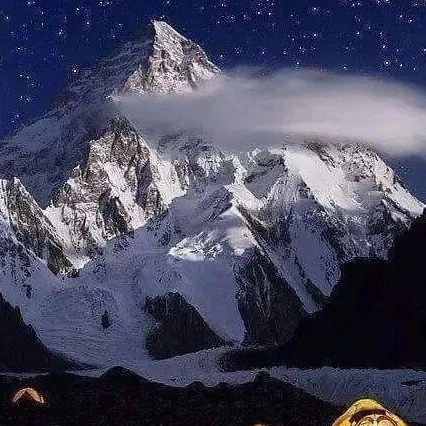
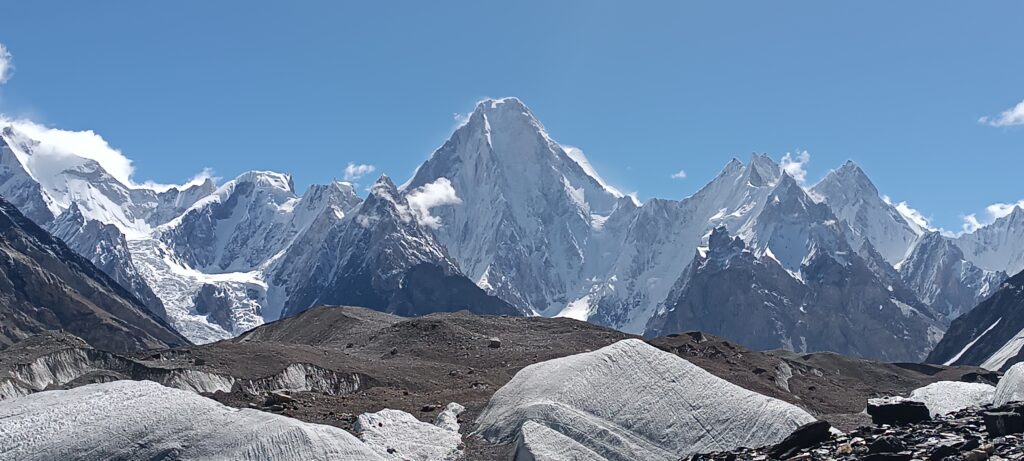
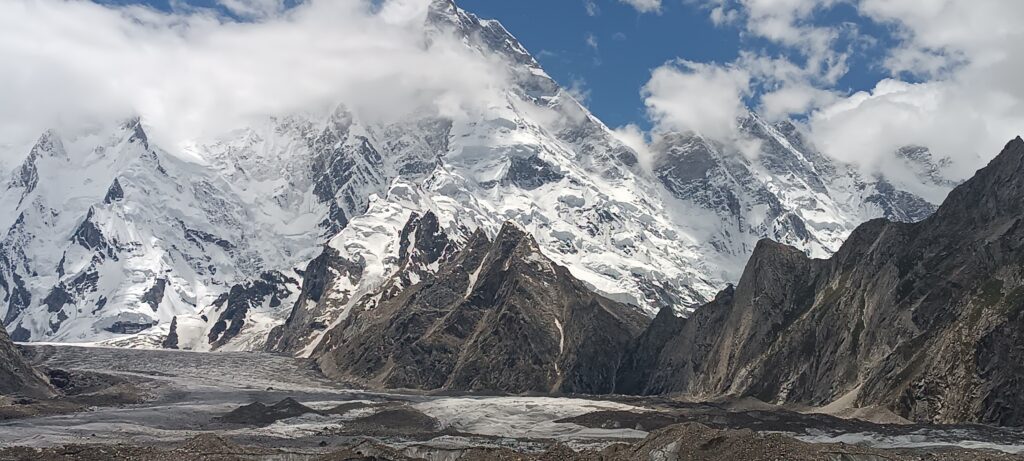
K2 Base Camp Trek Images
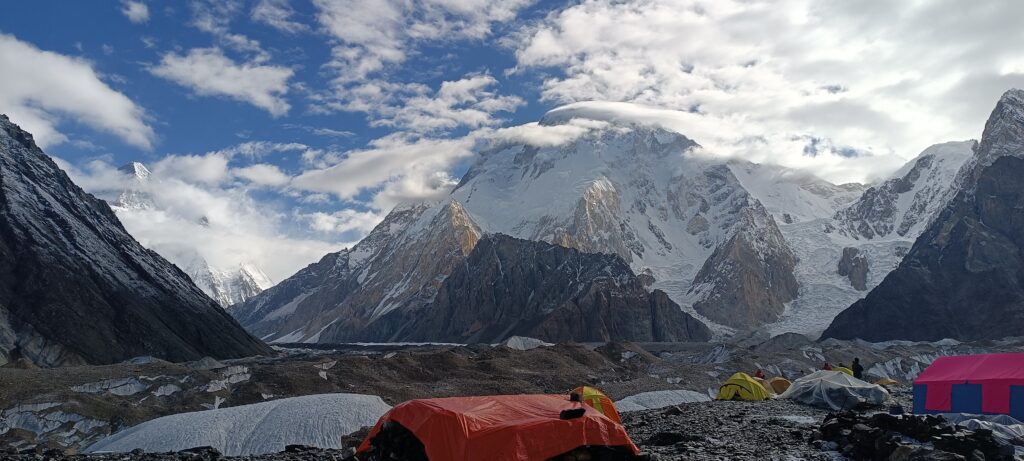
Expert-Led K2 Base Camp Trek
Alpine Trekkers UAE and World Adventure Tours in Pakistan are both founded by Siddiq Fegum, bringing together UAE-based trip coordination and experienced local expedition operations in Pakistan. Our K2 Base Camp treks are planned and supported by professionals with firsthand knowledge of the Karakoram, including the Baltoro Glacier route, camp logistics, altitude considerations and changing mountain conditions.
Led by professionals familiar with the Baltoro Glacier and K2 Base Camp route, our standard expedition typically takes 20–21 days, including contingency time. We prioritize realistic preparation, experienced local support and informed decisions throughout the trek. Although high-altitude trekking always involves risks, careful planning and responsible leadership are central to our approach.
If you’re considering the K2 Base Camp trek, contact Alpine Trekkers UAE for current departure options, a detailed itinerary, inclusions and exclusions, and guidance on whether the expedition suits your experience and fitness.