
Trip Overview
The K2 Base Camp and Gondogoro La Trek is one of Pakistan’s most demanding and rewarding high-altitude adventures. Combining the legendary Baltoro Glacier route, spectacular views from Concordia, an excursion towards K2 Base Camp and the challenging crossing of Gondogoro La Pass, this expedition takes trekkers deep into the heart of the Karakoram Range.
Planning to experience this route firsthand? Explore our 21-day K2 Base Camp and Gondogoro La expedition for the detailed itinerary, current prices, departure dates, included services and Skardu joining options. The expedition is led with firsthand Karakoram experience, and the Gondogoro La crossing remains subject to mountain conditions and safety assessments.
How long does the K2 Base Camp and Gondogoro La Trek take? A complete expedition commonly takes approximately 19–21 days, including travel between Islamabad and Skardu, trekking, acclimatization and contingency time. Some itineraries are shorter or longer depending on the route, transport arrangements, rest days and weather allowances.
The journey normally begins in Islamabad before continuing to Skardu and Askole. Trekkers follow the Braldu Valley and Baltoro Glacier towards Concordia, with an optional excursion to the K2 Base Camp region. The onward route crosses Gondogoro La Pass at approximately 5,585 metres (18,323 feet) before descending through Khuspang and the Hushe Valley.
Unlike the standard K2 Base Camp Trek, which typically returns along the Baltoro Glacier, the Gondogoro La route involves a steep, technical mountain-pass crossing. This expedition is best suited to physically fit, well-prepared trekkers with relevant high-altitude experience and appropriate equipment. Experienced mountain guides, acclimatization and suitable weather conditions are essential.
This guide explains the route, realistic itinerary options, Gondogoro La crossing conditions, altitude risks, required equipment, best trekking season and practical preparations. All sample itineraries are subject to weather, transport arrangements, permits and the expedition leader’s safety assessment.
K2 Base Camp and Gondogoro La Trek: The Karakoram Experience
The K2 Base Camp and Gondogoro La Trek offers an exceptional journey through Pakistan’s Karakoram, combining mountain scenery, glacier travel and the heritage of Baltistan. From the journey through Skardu to the trekking approach from Askole, the route reveals the landscapes and communities that have supported Karakoram expeditions for generations. Local guides, porters and expedition support teams play an essential role throughout this remote mountain journey.
The approach along the Baltoro Glacier leads towards Concordia and the K2 Base Camp region, beneath some of the world’s most remarkable peaks. For experienced trekkers, Gondogoro La adds a demanding high-altitude crossing that requires careful acclimatization, technical support and suitable conditions. The rewards are extraordinary, but the expedition should be approached with realistic expectations, proper preparation and respect for the mountain environment.
Highlights of the K2 Base Camp and Gondogoro La Trek
- Trek the Baltoro Glacier: Follow one of the Karakoram’s most celebrated trekking routes through dramatic glacier landscapes, remote camps and rugged mountain terrain.
- Experience Concordia: Reach the spectacular junction of the Baltoro and Godwin-Austen glaciers, surrounded by some of the world’s highest mountains.
- Explore the K2 Base Camp region: Make a planned excursion towards K2 Base Camp (approximately 5,150 m), subject to weather, glacier conditions and group readiness.
- See iconic Karakoram peaks: Enjoy views of K2 (8,611 m), Broad Peak, the Trango Towers, Cathedral Peaks, Masherbrum and other mountains along the route.
- Attempt the Gondogoro La crossing: Cross the approximately 5,585-metre mountain pass when conditions permit, with appropriate technical support and safety arrangements.
- Experience authentic expedition camping: Travel through remote mountain environments with local guides, porters and expedition support teams.
- Discover Baltistan’s mountain heritage: Journey through Skardu, Askole and, following a successful pass crossing, the Hushe Valley.
- Follow a carefully planned mountain itinerary: Allow time for acclimatization, expedition preparation and flexibility when weather or route conditions change.
- Experience two contrasting trekking routes: Approach K2 through the Baltoro Glacier and, if Gondogoro La is safely crossed, descend towards Khuspang, Saicho and Hushe. If the pass is unsafe, return via the standard Baltoro Glacier route to Askole.
Balti Culture, Baltoro Glacier and the Journey to K2 Base Camp
The journey towards K2 Base Camp and Gondogoro La connects trekkers with the mountain landscapes and cultural heritage of Baltistan. From Skardu, the expedition travels through the Shigar and Braldu valleys towards Askole, where the walking route begins. Local Balti guides, porters and expedition staff bring generations of mountain knowledge and experience to the journey, supporting trekking teams through one of Pakistan’s most remote mountain regions.
Beyond Askole, the trail follows the Braldu Valley towards Jhola and Paiyu before entering the increasingly rugged terrain of the Baltoro Glacier. The mountains rise dramatically above camps such as Khoburtse and Urdukas, with views of the Trango Towers, Cathedral Peaks and Masherbrum. Farther along the glacier, trekkers approach Concordia and the K2 Base Camp region. This is a physically demanding expedition, not an introductory trek, and a Gondogoro La crossing requires additional technical preparation and suitable mountain conditions.
The World’s Iconic Adventure K2 Base Camp Trail
The K2 Base Camp and Gondogoro La Trek typically begins in Islamabad, with onward travel to Skardu and the remote village of Askole. Some trekkers arrange to join the expedition in Skardu, reducing the overall travel duration. The complete itinerary depends on the starting point, acclimatization schedule and contingency arrangements. From Askole, the expedition follows the Braldu Valley towards the Baltoro Glacier, passing spectacular mountain landscapes before reaching Concordia. Surrounded by some of the highest peaks in the Karakoram, Concordia offers remarkable views of K2, Broad Peak and the surrounding mountain ranges.
One of the major highlights of this expedition is the journey towards K2 Base Camp, situated at approximately 5,150 metres above sea level. After exploring the K2 Base Camp region, the route continues towards Ali Camp for the demanding crossing of Gondogoro La Pass at approximately 5,585 metres. The crossing requires appropriate mountain conditions, experienced guides and suitable technical equipment. From Gondogoro La, trekkers descend towards Khuspang and continue through the beautiful Hushe Valley before returning to Skardu. The itinerary includes acclimatization and contingency days, although weather and mountain conditions may require changes to the planned route.
Crossing Gondogoro La Pass: The Ultimate Karakoram Adventure
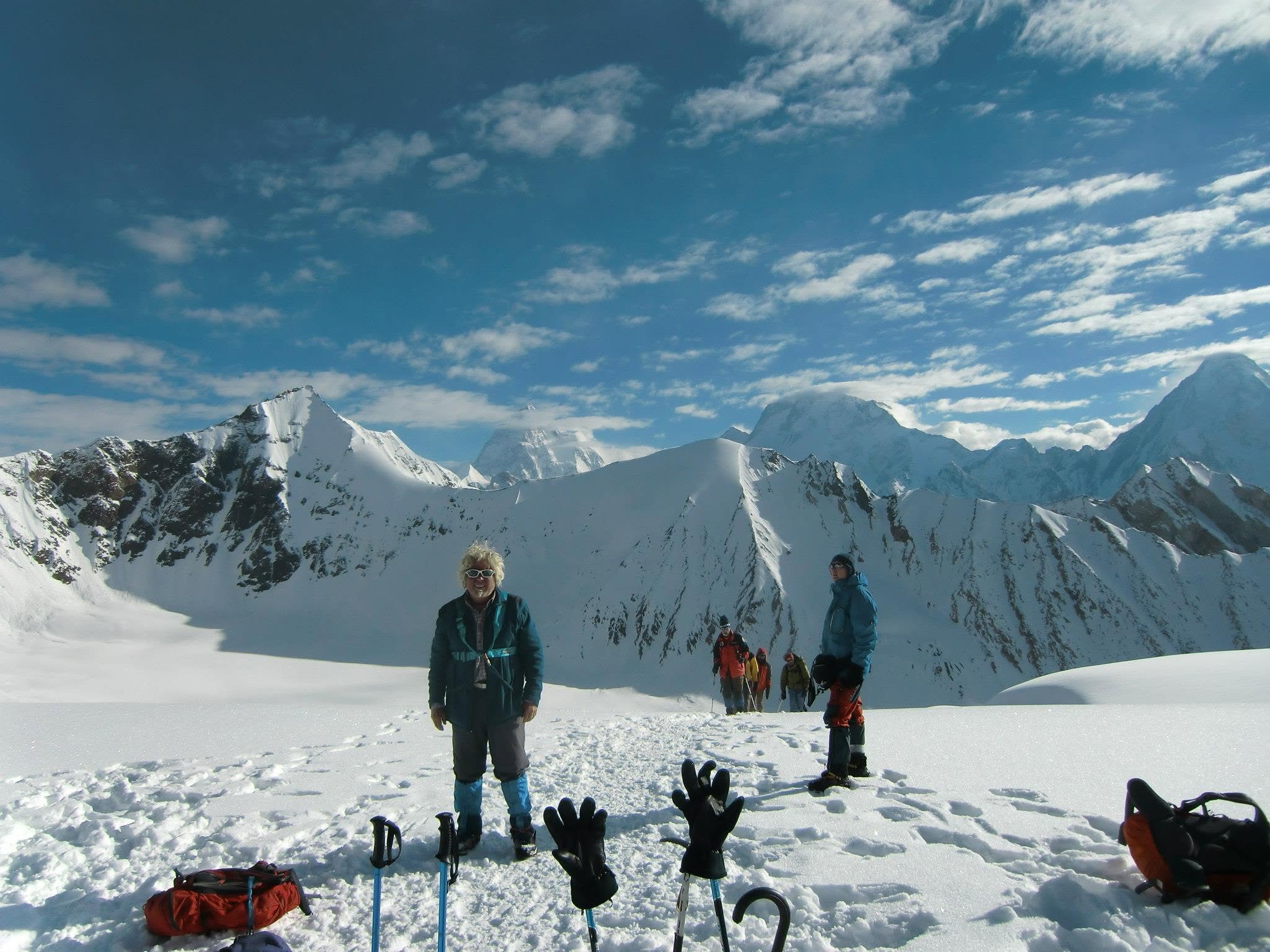
Gondogoro La Pass, situated at approximately 5,585 metres above sea level, is one of the most spectacular and challenging sections of the K2 Base Camp and Gondogoro La Trek. On clear days, the pass offers extraordinary panoramic views of the Karakoram mountains, including K2, Broad Peak and the Gasherbrum peaks.
After visiting the K2 Base Camp region, trekkers proceed towards Ali Camp to prepare for the crossing. The ascent normally begins very early, often before sunrise, depending on weather and snow conditions.
Crossing Gondogoro La involves steep snow and ice slopes, exposed terrain and potentially hazardous conditions. Fixed ropes, crampons, harnesses and other technical equipment may be required. Experienced mountain guides supervise the crossing and assess whether conditions are suitable.
After crossing the pass, trekkers descend towards Khuspang before continuing through the Hushe Valley. The descent can be physically demanding, particularly after the high-altitude ascent.
Safety is always the priority. If weather, snow stability or other conditions make the crossing unsafe, the expedition leader may modify the itinerary or return along the Baltoro Glacier.
K2 Base Camp and Gondogoro La: Spectacular Karakoram Mountain Views
he K2 Base Camp and Gondogoro La Trek offers extraordinary views of some of the Karakoram’s most celebrated mountains. The approach through the Baltoro Glacier reveals the Trango Towers, Cathedral Peaks and Masherbrum, while Concordia provides a remarkable perspective of K2, Broad Peak and Gasherbrum IV. The changing mountain scenery, remote glacier camps and immense scale of the landscape are among the expedition’s defining experiences.
For those able to cross Gondogoro La safely, the high pass offers a different perspective of the surrounding peaks before the demanding descent towards Khuspang and the Hushe Valley. This is not a trek suitable for every age or fitness level. Participants need strong endurance, appropriate trekking experience and preparation for high-altitude conditions. Whether the pass can be crossed depends on weather, snow stability and the expedition leader’s safety assessment.
How Difficult Is the K2 Base Camp and Gondogoro La Trek?
The K2 Base Camp and Gondogoro La Trek is a strenuous high-altitude expedition involving long trekking days, remote glacial terrain and a potentially technical mountain-pass crossing. It is considerably more demanding than a typical trekking holiday and requires careful physical preparation, suitable equipment and experienced mountain leadership.
What Makes This Trek Difficult?
High altitude: The expedition reaches approximately 5,585 metres at Gondogoro La Pass. The reduced oxygen availability at high elevation increases the risk of altitude illness and makes sustained physical activity more demanding.
Glacial terrain: Trekkers travel over rocky moraine, loose stones, uneven glacier surfaces and potentially snow-covered sections. Conditions can change throughout the trekking season.
Gondogoro La crossing: The pass involves steep slopes and exposed terrain. Depending on conditions, fixed ropes, crampons, harnesses and other technical equipment may be necessary. The crossing should only be attempted with experienced guides and suitable conditions.
Remote location: The Baltoro Glacier region is far from roads and medical facilities. Evacuation can be difficult, and weather may disrupt transport and expedition schedules.
What Experience Do You Need?
The trek is best suited to people with strong endurance, previous multi-day mountain trekking experience and preferably experience walking at high altitude.
Trekkers should be comfortable walking for several consecutive days over demanding terrain while carrying a daypack. Technical mountaineering experience may not be necessary for every participant, depending on the operator’s requirements, but preparation and the ability to follow guide instructions are essential.
Is Gondogoro La Suitable for Beginners?
The Gondogoro La crossing is generally not recommended as a first high-altitude trekking experience. Beginners should consider gaining experience on less demanding multi-day treks before attempting this expedition.
The expedition leader should assess participants’ experience, fitness, equipment and acclimatization before the crossing. Weather and route conditions may require the itinerary to change.
What Is Concordia?
Concordia is a famous glacier junction in Pakistan’s Karakoram Range, situated at approximately 4,600 metres. It is surrounded by spectacular mountains, including K2 and Broad Peak, and serves as an important expedition camping area.
Concordia is not a permanent teahouse or developed mountain resort. Trekkers normally stay in tents supported by their expedition team.
Altitude Sickness and Acclimatization on the K2 Gondogoro La Trek
The K2 Base Camp and Gondogoro La Trek reaches extreme elevations, with K2 Base Camp situated at approximately 5,150 metres and Gondogoro La Pass at approximately 5,585 metres. At these heights, reduced oxygen availability can cause altitude illness, even in experienced and physically fit trekkers.
What Are the Symptoms of Altitude Sickness?
Acute mountain sickness (AMS) may develop after ascending to high altitude. Common symptoms include:
- Headache, often accompanied by nausea or loss of appetite.
- Dizziness, unusual fatigue or weakness.
- Vomiting or difficulty feeling well at altitude.
Serious warning signs include confusion, loss of coordination, breathlessness at rest or a worsening cough. These may indicate a potentially life-threatening altitude-related illness requiring urgent medical assessment and evacuation.
How Can Trekkers Reduce the Risk?
Ascend gradually: Allow sufficient time for acclimatization, particularly as sleeping elevations increase. Above approximately 3,000 metres, a commonly recommended approach is to limit the increase in sleeping altitude to around 500 metres per day and include additional acclimatization nights.
Recognize symptoms early: Trekkers should inform their expedition leader immediately if they develop symptoms. Never continue ascending to sleep at a higher altitude while experiencing symptoms of altitude illness.
Respond appropriately: If symptoms worsen, descent to a lower altitude is essential. Severe symptoms require urgent medical assistance and descent as soon as safely possible.
Prepare before departure: Physical fitness and previous trekking experience help with endurance but do not prevent altitude sickness. Travellers should discuss high-altitude risks, relevant medical conditions and possible preventive medications with a qualified healthcare professional before the expedition.
For further guidance on altitude illness, acclimatization and warning signs, consult the CDC’s High-Altitude Travel and Altitude Illness guide. This information supports preparation but does not replace advice from a qualified healthcare professional.
Why Acclimatization Matters on the Gondogoro La Route
The journey from Askole through Paiyu, Urdukas, Goro II and Concordia involves substantial altitude gain. Appropriate acclimatization and flexible scheduling are essential before attempting the Gondogoro La crossing.
Because the crossing involves remote glacial terrain and potentially difficult evacuation, the expedition leader must assess weather, individual health and route conditions before proceeding.
No itinerary can completely eliminate altitude-related risks. Responsible planning, early symptom recognition and appropriate decisions are essential for a safer expedition.
Travel to Skardu: Flights, Roads and Weather Delays
Most international trekkers begin their K2 Base Camp and Gondogoro La journey in Islamabad before travelling to Skardu, the main gateway to the Baltoro Glacier and Karakoram expeditions.
Flights from Islamabad to Skardu
Domestic flights provide a convenient way to reach Skardu. However, flights are dependent on mountain weather, visibility and airline schedules. Delays and cancellations can occur, so trekkers should allow sufficient flexibility in their travel plans.
Travelling to Skardu by Road
If flights are unavailable, travelling by road may be an alternative, subject to current road conditions and transport arrangements. The journey is substantially longer than flying, and weather, landslides, flooding or road closures may cause delays.
Why Contingency Days Matter
A Gondogoro La expedition involves several stages of travel before the trekking route begins. Transport disruptions can affect the overall itinerary, particularly when international flights are booked close to the planned expedition dates.
Trekkers should discuss contingency arrangements, domestic transport options and possible additional costs with their trekking operator before departure.
Road and flight conditions should always be checked close to the travel date rather than relying on a fixed seasonal schedule.
K2 Base Camp and Gondogoro La Trek Itinerary: Route and Daily Stages
K2 Base Camp and Gondogoro La trekking itineraries vary depending on the operator, transport arrangements, acclimatization schedule and available contingency days. Many complete expeditions take approximately 19–21 days, while some require additional time.
The route generally follows the Baltoro Glacier from Askole through Paiyu, Khoburtse, Urdukas and Goro II to Concordia. Depending on conditions, trekkers may visit K2 Base Camp before continuing towards Ali Camp for the challenging Gondogoro La crossing. The descent leads through Khuspang and the Hushe Valley.
The following itinerary provides an example of the main expedition stages rather than a fixed departure schedule. Additional rest, acclimatization and contingency days should be planned according to the expedition’s requirements.
Here is an example of the main trekking stages for the K2 Base Camp and Gondogoro La Trek:
| Stage | Route / destination | What trekkers can expect |
|---|---|---|
| 1 | Islamabad → Skardu | Travel to Baltistan and expedition preparations |
| 2 | Skardu → Askole | Vehicle transfer to the trekking starting point |
| 3 | Askole → Jhola | Trek along the Braldu Valley |
| 4 | Jhola → Paiyu | Approach the Baltoro Glacier |
| 5 | Paiyu | Acclimatization, rest and preparation |
| 6 | Paiyu → Khoburtse | Trek through rocky moraine and glacial terrain |
| 7 | Khoburtse → Urdukas | Continue to a scenic campsite overlooking the glacier |
| 8 | Urdukas → Goro II | Trek deeper into the Baltoro Glacier region |
| 9 | Goro II → Concordia | Reach the famous junction of the Baltoro and Godwin-Austen glaciers |
| 10 | K2 Base Camp excursion | Visit the base camp region, subject to conditions and itinerary arrangements |
| 11 | Concordia → Ali Camp | Approach Gondogoro La and prepare technical equipment |
| 12 | Gondogoro La → Khuspang | Cross the approximately 5,585 m pass and descend to Khuspang, if safe |
| 13 | Khuspang → Saicho | Descend through the Gondogoro Glacier region |
| 14 | Saicho → Hushe | Complete the trekking route |
| 15 | Hushe → Skardu | Return by vehicle to Skardu |
| 16 | Skardu → Islamabad | Return travel, subject to flight and road conditions |
If Gondogoro La cannot be crossed safely due to adverse weather, unstable snow or unsafe route conditions, the expedition returns via Concordia and the Baltoro Glacier towards Askole. This may require additional trekking days and changes to the planned itinerary.
How many days are required for the K2 Base Camp and Gondogoro La Trek?
Complete expeditions commonly take approximately 19–21 days, although shorter or longer schedules are possible depending on the operator, trekking pace, acclimatization, transport and weather allowances. The route stages above are not intended to represent consecutive days. Rest days at places such as Paiyu, additional acclimatization, preparation for the Gondogoro La crossing and contingency days may be included according to the expedition plan. The crossing itself must only be attempted when conditions are suitable.
Frequently Asked Questions (FAQs)
1. What is the altitude of K2 Base Camp and Gondogoro La?
K2 Base Camp is situated at approximately 5,150 metres (16,896 feet) above sea level, while Gondogoro La Pass reaches approximately 5,585 metres (18,323 feet).
Gondogoro La is therefore one of the highest points on the trekking route. The crossing involves significant altitude, steep terrain and potentially challenging snow and ice conditions.
Both locations present risks associated with high altitude. Proper acclimatization, suitable physical preparation and experienced mountain leadership are essential. Exact elevations may vary slightly between maps and GPS measurements.
2. What is the total duration of the trek?
The K2 Base Camp and Gondogoro La Trek commonly takes approximately 19–21 days, although the total duration depends on the expedition itinerary, acclimatization schedule, transport arrangements and weather contingency days. Some itineraries may require additional time. Trekkers should prioritize adequate acclimatization and a realistic schedule rather than choosing an expedition solely by its duration.
3. What is the route from Islamabad to Skardu?
Skardu, in Pakistan’s Gilgit-Baltistan region, is the main gateway for K2 Base Camp and Gondogoro La trekking expeditions. Travellers generally reach Skardu from Islamabad by air or road.
By air: Direct flights from Islamabad to Skardu typically take approximately one hour. Flights are weather-dependent, and poor visibility or other operational conditions can cause delays or cancellations.
By road: Travellers can reach Skardu via the Karakoram Highway and connecting roads. The journey is substantially longer than flying and may require one or more travel days, depending on the route, road conditions, weather and transport arrangements.
Travel planning: Trekkers should allow contingency time for possible flight cancellations, landslides, road closures and other delays. Final travel arrangements should be confirmed with the trekking operator before departure.
4. What is the trekking route from Askole to Gondogoro La and Hushe?
The K2 Base Camp and Gondogoro La trekking route begins at Askole and continues through Jhola, Paiyu, Khoburtse, Urdukas and Goro II before reaching Concordia, the famous glacier junction surrounded by some of the Karakoram’s highest peaks.
Depending on the expedition itinerary and mountain conditions, trekkers may make an excursion towards K2 Base Camp before proceeding to Ali Camp to prepare for the Gondogoro La crossing.
When weather and route conditions permit, trekkers cross Gondogoro La Pass at approximately 5,585 metres and descend to Khuspang before continuing through Saicho and Hushe Valley.
Walking times and distances vary depending on glacier conditions, altitude, weather, group pace and the itinerary. Additional acclimatization and contingency days may be required. The crossing should only be attempted when the expedition leader considers conditions suitable.
5. What permits are required for the K2 Base Camp and Gondogoro La Trek?
Trekking in the K2 Base Camp and Gondogoro La region may require trekking authorization, relevant restricted-area permissions, and applicable Central Karakoram National Park or environmental fees.
Permit requirements depend on the route, nationality, current government regulations and the nature of the expedition. Foreign trekkers may also require an appropriate Pakistan visa and supporting documents.
Applications are generally coordinated through an appropriately licensed trekking operator. Depending on current requirements, documents may include passport details, a route plan, insurance information and guide or operator details.
Official permit charges and environmental fees can change. Before travelling, trekkers should confirm the latest requirements and whether the relevant permits, park fees and administrative costs are included in their expedition package.
For current requirements, consult the Gilgit-Baltistan Tourism Department or your licensed expedition organizer.
6. What is the best month for the K2 Base Camp and Gondogoro La Trek?
July and August are generally the preferred months for K2 Base Camp and Gondogoro La expeditions. These months offer opportunities for more suitable conditions along the Baltoro Glacier and the high-altitude pass.
However, snow, storms, poor visibility and unstable conditions can affect Gondogoro La even during peak summer. The crossing is never guaranteed, and experienced local guides must assess conditions before proceeding.
7. How difficult is the Gondogoro La Pass crossing?
Gondogoro La is a challenging high-altitude mountain pass at approximately 5,585 metres. The crossing can involve steep snow and ice, exposed terrain, fixed ropes and demanding ascents and descents.
Trekkers need strong physical endurance, appropriate mountain experience, suitable technical equipment and experienced guides. Weather, snow stability and route conditions determine whether the crossing can be attempted safely.
8. Can beginners attempt the K2 Base Camp and Gondogoro La Trek?
The Gondogoro La route is generally not recommended for people undertaking their first multi-day high-altitude trek.
Previous experience hiking on demanding mountain terrain, strong endurance and familiarity with changing weather conditions are highly beneficial. Trekkers should discuss their experience and preparation with a qualified expedition operator before booking.
9. What equipment is required for crossing Gondogoro La?
In addition to normal high-altitude trekking equipment, the Gondogoro La crossing may require a climbing harness, helmet, crampons, suitable mountaineering boots and equipment for protected movement on fixed ropes.
The exact equipment requirements depend on current route conditions and the expedition operator’s safety procedures. Trekkers should obtain a confirmed equipment checklist from their guides before departure rather than assuming ordinary hiking gear will be sufficient.
10. What happens if Gondogoro La Pass cannot be crossed?
If weather, snow stability or other hazards make Gondogoro La unsafe, the expedition leader may delay the crossing if conditions and the available schedule permit. Safety takes priority over completing the pass.
If the crossing cannot proceed safely, the group returns via Concordia and the Baltoro Glacier towards Askole rather than continuing into Hushe Valley. This return requires additional trekking days and may affect transport and travel arrangements.
11. Is the K2 Base Camp and Gondogoro La Trek different from the standard K2 Base Camp Trek?
Yes. The standard K2 Base Camp Trek generally follows the Baltoro Glacier towards Concordia and the K2 Base Camp region before returning along the same general approach route.
The Gondogoro La variation continues across a high mountain pass and descends towards Khuspang and Hushe Valley. This alternative adds technical challenges, different terrain and greater dependence on suitable snow and weather conditions.
12. Is altitude sickness a risk on the Gondogoro La Trek?
Yes. The expedition reaches elevations above 5,000 metres, where altitude illness can affect trekkers regardless of fitness or previous experience.
Gradual acclimatization, recognizing symptoms and responding appropriately are essential. Trekkers with symptoms of altitude illness should not continue ascending to sleep higher, and worsening or severe symptoms require urgent medical assessment and descent when safe.
13. Can you see K2 from Gondogoro La Pass?
K2 may be visible from Gondogoro La when the weather and visibility are favourable. The crossing can also offer spectacular views of Broad Peak, the Gasherbrum peaks and the surrounding Karakoram mountains.
Views depend on cloud cover, visibility and the specific position along the route. Clear mountain panoramas cannot be guaranteed.
14. Do trekkers need travel insurance for Gondogoro La?
Comprehensive travel insurance covering high-altitude trekking and emergency evacuation is strongly recommended. Trekkers should confirm that their policy covers the expedition’s maximum planned altitude, technical pass crossing and relevant activities.
Emergency evacuation in the Karakoram may be difficult, weather-dependent and subject to local availability. Insurance does not guarantee immediate helicopter rescue.
15. How much does the K2 Base Camp and Gondogoro La Trek cost?
The cost depends on expedition duration, group size, permits, transportation, guide and porter services, camping arrangements, technical equipment and the level of support included.
When comparing operators, check whether the quoted price includes domestic flights, accommodation, food during the trek, national park fees, permits, personal equipment, insurance and possible additional costs caused by delays.
A lower advertised price does not necessarily represent better value if essential expedition services are excluded.
Weather and Best Time to Trek
The weather on the K2 Base Camp and Gondogoro La Trek can vary significantly due to the high altitude and remote location. Here’s an overview of the typical weather conditions:
| Season | Weather Conditions | Best Time to Trek |
|---|---|---|
| Pre-season (Late May to Early June) | Variable weather, lingering snow, possibility of storms | Quieter but less predictable |
| Summer (June to September) | Main trekking season, with variable mountain weather, snow and possible storms at higher elevations. | July–August is generally preferred for Gondogoro La; crossing depends on actual conditions. |
| Post-season (Late September to November) | Cooler temperatures, possibility of snow | Quieter but more unpredictable weather |
How to Prepare for the K2 Base Camp and Gondogoro La Trek
The K2 Base Camp and Gondogoro La Trek requires more preparation than a typical trekking holiday. Long walking days, rocky glacier terrain, cold temperatures, high altitude and the technical Gondogoro La crossing make suitable fitness, equipment and mountain experience essential.
Physical Fitness and Trekking Preparation
Begin preparing several months before departure, allowing enough time to build endurance and strength.
- Cardiovascular fitness: Regular uphill hiking, stair climbing, cycling or similar endurance activities can help prepare for long trekking days.
- Leg and core strength: Strength training can improve stability and endurance when walking over uneven terrain.
- Multi-day hiking experience: Practise walking on consecutive days while carrying a daypack.
- Mountain experience: Previous trekking experience at altitude and on challenging terrain is strongly recommended.
Physical fitness helps with the expedition’s demands but does not prevent altitude sickness. Proper acclimatization remains essential.
Essential Trekking Equipment
For the Baltoro Glacier approach and high-altitude camping, trekkers should prepare suitable equipment, including:
- Well-fitted, broken-in trekking boots and appropriate socks.
- Thermal base layers, fleece clothing and an insulated jacket.
- Waterproof and windproof outer layers.
- Warm gloves, a hat and sun protection.
- A cold-weather sleeping bag and insulating sleeping mat.
- Trekking poles and a comfortable daypack.
- Headlamp with spare batteries.
- Water containers, personal hygiene supplies and a personal first-aid kit.
- Glacier-appropriate sunglasses and high-protection sunscreen.
Technical Equipment for Gondogoro La Pass
Crossing Gondogoro La may require additional mountaineering equipment, depending on the route conditions and expedition operator’s safety procedures.
Common requirements include:
- Crampons with compatible boots.
- A properly fitted climbing harness and helmet.
- Locking carabiners and suitable equipment for protected movement on fixed ropes.
- An ascender, ice axe or other technical equipment where required by the expedition team.
- Suitable footwear, warm gloves and a reliable headlamp for an early alpine start.
The exact technical equipment list must be confirmed with the expedition operator before departure. Guides should also explain the required safety procedures and assess participants’ readiness for the crossing.
Can Technical Equipment Be Rented in Skardu?
Some trekking and mountaineering equipment may be available to rent or purchase in Skardu. However, availability, sizing and equipment condition can vary.
Trekkers should confirm rental arrangements in advance and should not rely on obtaining essential safety equipment after arrival without prior confirmation.
Final Preparation Before Departure
Before travelling, confirm your trekking itinerary, permits, insurance, equipment requirements, guide arrangements and contingency plans.
Travel insurance should cover the intended maximum altitude and relevant activities, including technical pass crossings where applicable. Emergency evacuation in the Karakoram can be difficult and weather-dependent.
All participants should discuss their experience and preparation with their expedition operator before committing to the journey.
Choosing the Right Mountain Guides and Trek Leader for Gondogoro La
Choosing the right expedition team is one of the most important decisions when planning a K2 Base Camp and Gondogoro La Trek. The route involves remote glacier travel, high altitude, unpredictable mountain conditions and a potentially technical crossing of Gondogoro La Pass at approximately 5,585 metres.
Not all trekking guides have the same level of experience, training or technical competence. Knowing a trail or holding a guiding licence does not necessarily mean someone has the skills required to assess mountain hazards, manage technical equipment or lead a demanding high-altitude expedition.
Why Experience on the Gondogoro La Route Matters
Guides with proven experience on the Baltoro Glacier and Gondogoro La route can offer valuable knowledge of the terrain, campsites, glacier conditions and logistical challenges.
However, trekkers should look beyond general route familiarity. Relevant experience includes recognizing hazardous conditions, understanding the limitations of a planned crossing, coordinating technical personnel and making responsible decisions when weather or route conditions deteriorate.
A guide’s previous experience on this particular route, relevant training, technical skills and safety record should be considered when selecting an expedition team.
The Benefits of an Experienced English-Speaking Trek Leader
For international trekking groups, clear communication is especially valuable. An experienced trek leader who speaks English fluently can help bridge communication gaps between participants, local guides, porters and other expedition staff.
A capable trek leader can assist with:
- Explaining daily trekking plans, expected conditions and itinerary changes.
- Communicating participants’ questions and concerns to the appropriate team members.
- Coordinating group logistics and supporting effective communication.
- Helping participants understand altitude-related precautions and expedition procedures.
- Ensuring technical instructions from qualified mountain personnel are clearly communicated.
However, English fluency alone does not demonstrate technical mountaineering competence. A trek leader’s relevant expedition experience, qualifications and responsibilities should be evaluated separately.
Who Should Be Responsible for the Gondogoro La Crossing?
The technical crossing should be assessed and supervised by personnel with demonstrated experience and appropriate competence in the conditions and techniques involved.
Responsibilities should be clearly established for evaluating the route, checking technical equipment, supervising fixed-rope sections where required, monitoring participants and deciding whether the crossing can proceed.
A knowledgeable local route specialist, technically competent mountain personnel and an experienced group leader may work together. In some expeditions, one suitably qualified individual may fulfil more than one of these roles.
What Should Trekkers Ask Before Booking?
Before choosing a trekking operator, consider these questions:
- Who will lead the expedition, and what is their experience on this specific route?
- Who is responsible for assessing the Gondogoro La crossing conditions?
- What relevant technical training and experience do the mountain personnel have?
- Will there be a dedicated trek leader who communicates effectively in English or another preferred language?
- How will the team manage altitude-related concerns, emergencies and route changes?
- Is an additional trek leader included in the package or available as an optional service?
Why the Right Expedition Team Matters
A successful high-altitude expedition requires more than familiarity with the trekking trail. Appropriate technical competence, experienced leadership, clear communication, suitable equipment and responsible decision-making are essential.
For international trekkers, combining competent mountain personnel with an experienced, effective communicator can improve coordination and the overall expedition experience. The priority should always be choosing a team whose abilities match the challenges of the route.
K2 Base Camp and Gondogoro La Trek Cost: What Affects the Price?
The cost of a K2 Base Camp and Gondogoro La Trek varies according to the expedition duration, group size, operator, transport arrangements, permits, accommodation and level of support.
Published group-expedition prices can differ considerably. When comparing quotations, it is important to consider the services included rather than choosing an operator based solely on the advertised price.
What Is Usually Included in a Guided Trek?
Depending on the operator and package, a guided K2 Base Camp and Gondogoro La expedition may include:
- Domestic transportation between Islamabad, Skardu and the trekking access points.
- Hotel accommodation before and after trekking.
- Camping tents, kitchen facilities and meals during the trek.
- Licensed mountain guides, cooks, porters and support staff.
- Required trekking permits and applicable park or environmental fees.
- Group equipment and logistical support.
- Gondogoro La crossing arrangements, including technical support where specified.
What Costs May Be Excluded?
Additional expenses can include:
- International flights to Pakistan.
- Pakistan visa charges.
- Personal travel, medical and high-altitude evacuation insurance.
- Personal trekking and technical mountaineering equipment.
- Tips for guides, cooks and porters.
- Single-room or single-tent supplements.
- Personal expenses, additional accommodation and meals outside the included itinerary.
- Costs resulting from weather delays, transport changes or itinerary extensions.
Why Do Gondogoro La Trek Prices Vary?
Group size: Larger group departures may distribute fixed expedition costs among more participants, while private trips usually cost more per person.
Expedition duration: Longer itineraries may require additional camping days, food, porter services and accommodation.
Transport: Domestic flights, private vehicles and alternative road travel arrangements can affect the total price.
Guide and technical support: The Gondogoro La crossing may require specialist equipment, experienced mountain personnel and fixed-rope arrangements.
Permits and logistics: Government requirements, park fees, administrative arrangements and the level of expedition support can vary.
How to Compare Trekking Packages
Before booking, request a detailed written quotation showing exactly what is included and excluded. Pay particular attention to Gondogoro La crossing support, personal equipment requirements, porter allowances, emergency communication arrangements, cancellation conditions and additional costs if the pass cannot be crossed.
A responsible expedition budget should account for both the planned itinerary and possible delays. Prices and services should always be confirmed directly with the operator before booking.
Additional Tips and Considerations
The following practical considerations can help trekkers prepare for the remote conditions of the K2 Base Camp and Gondogoro La route.
- Respect local communities: Ask permission before photographing people, respect cultural traditions and support local businesses where possible.
- Protect the mountain environment: Follow Leave No Trace principles, avoid littering and ensure that waste is managed responsibly throughout the expedition.
- Prepare for limited communication: Mobile network coverage is unreliable or unavailable across much of the Baltoro Glacier region. Confirm the expedition team’s emergency communication arrangements before departure.
- Allow flexibility: Weather, glacier conditions, transport delays and individual acclimatization may require changes to the itinerary. Avoid scheduling important commitments immediately after the expected return.
- Understand emergency arrangements: Ask the operator how emergencies are handled, what evacuation options may be available and what costs or insurance limitations could apply.
- Follow responsible porter practices: When choosing an operator, consider porter equipment, working conditions, load limits and appropriate treatment of expedition support staff.
K2 Base Camp and Gondogoro La Trek Photos


Conclusion
The K2 Base Camp and Gondogoro La Trek offers an extraordinary journey through Pakistan’s Karakoram Range, combining the dramatic Baltoro Glacier, the mountain panorama at Concordia, the K2 Base Camp region and the challenging Gondogoro La crossing.
Unlike the standard K2 Base Camp route, the Gondogoro La variation continues across a high mountain pass towards Khuspang and Hushe Valley, subject to suitable conditions. It requires careful acclimatization, strong physical preparation, appropriate technical equipment and experienced expedition leadership.
Choosing a realistic itinerary and a competent expedition team is more important than selecting a trek solely by its duration or advertised price. Weather, glacier conditions and individual readiness can affect the planned crossing, so flexibility and responsible decision-making remain essential.
Planning your K2 Base Camp and Gondogoro La expedition? Contact Alpine Trekkers UAE to discuss suitable trekking options, expedition support, experienced leadership arrangements and current departure possibilities. Our team can help you explore the available arrangements and understand the preparation required before committing to the journey.